✅ Updated on 23.09.2026

The History of Ban Rak Thai: Why Are There So Many Chinese People Here?
One of the first things you notice when you arrive in Ban Rak Thai is its strong Chinese influence. The village is filled with Chinese-style buildings and street decorations, signs written in Chinese, and local residents who often look more Chinese than Thai.
That immediately made me wonder: why? How did a Chinese community end up here in the mountains of northern Thailand?
The story of Ban Rak Thai’s Chinese community begins with the Chinese Civil War, which lasted from 1927 to 1950. Their journey to what is now Ban Rak Thai went roughly like this:
- 1949: The Chinese Communist Party, led by Mao Zedong, defeated the Kuomintang (KMT) Nationalist government led by Chiang Kai-shek. The KMT government and much of its army retreated to Taiwan, while some Nationalist troops remained in Yunnan Province in southern China.
- 1949–1950: Communist forces took control of Yunnan. Thousands of KMT soldiers retreated across the border into Burma, present-day Myanmar.
- 1950s: The remnants of the KMT army remained in the mountainous border regions of northern Burma. They hoped to continue fighting Communist China and even made attempts to re-enter Yunnan. The Burmese government was far from happy about having a foreign armed force operating within its borders. Under international pressure, several thousand soldiers and their families were evacuated to Taiwan in 1953–1954. However, many stayed behind.
- 1960–1961: The Burmese army, with support from China, pushed the remaining KMT forces into Laos and northern Thailand. Some former KMT soldiers eventually settled in Thailand’s border regions, and the Thai authorities later enlisted them in the fight against communist insurgents.
Today, some of the best-known settlements founded by former KMT soldiers and their descendants in northern Thailand are Mae Salong in Chiang Rai Province, Ban Rak Thai in Mae Hong Son Province, and Arunothai in Chiang Mai Province.
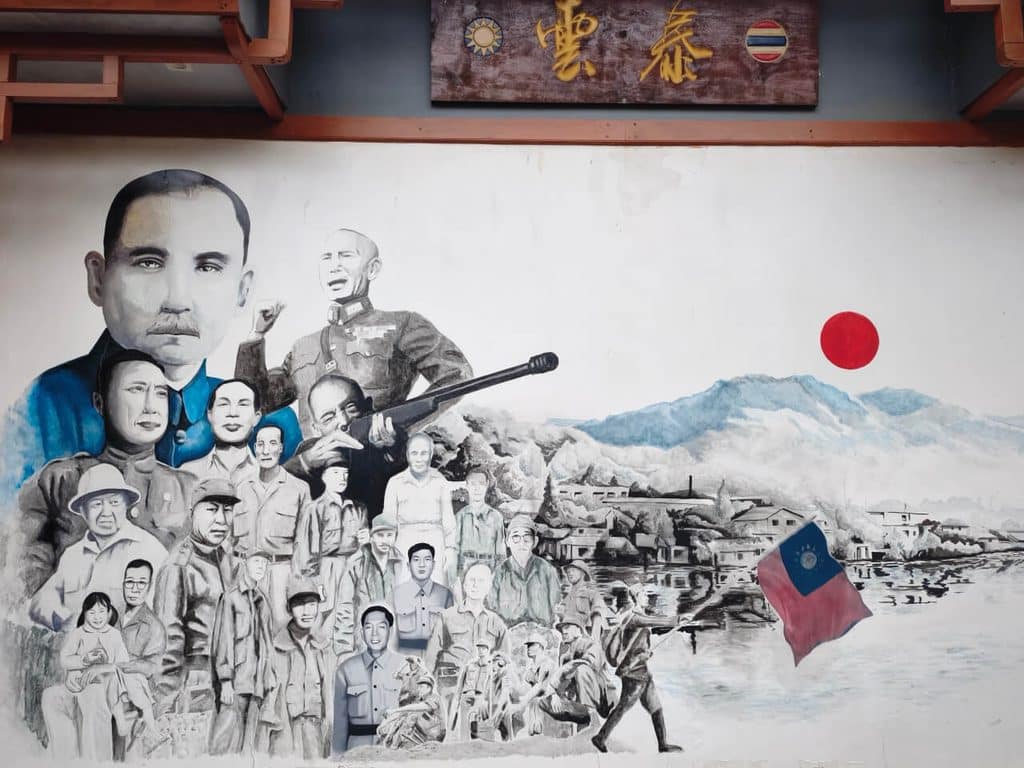
💡 An interesting detail: if you compare the flag of the Kuomintang with the flag of the Republic of China, which has been used in Taiwan since 1945, you’ll notice the same symbol: a white sun with 12 rays on a blue background. The symbol has its roots in the Chinese revolutionary movement, and you can still spot it around Ban Rak Thai today.
Location and How to Get to Ban Rak Thai
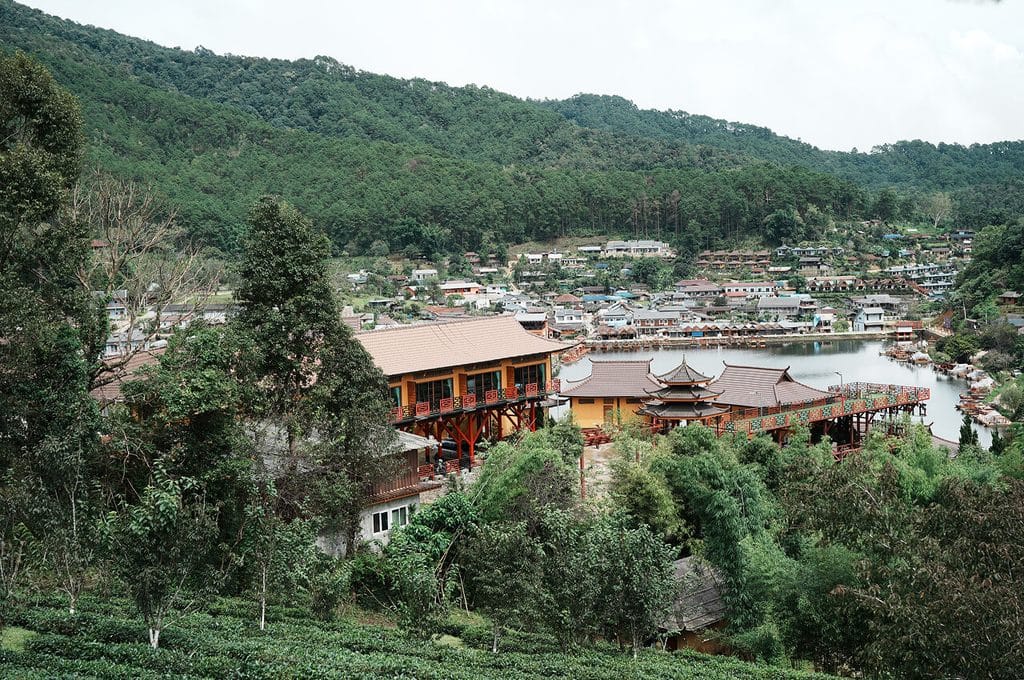
Ban Rak Thai is located in Mae Hong Son Province, almost directly on the border between Thailand and Myanmar. The village sits high in the mountains at an elevation of 1,776 m (5,827 ft) above sea level.
The easiest way to get to Ban Rak Thai is with your own transportation, either by car or motorbike. There is only one road into the village, branching off Highway 1095 and running for about 27 km (17 mi). When I rent a car in Thailand, I usually use Local Rent.
Ban Rak Thai is also a popular stop for travelers riding the Mae Hong Son Loop, one of the best-known motorcycle routes in northern Thailand.
Things to Do in Ban Rak Thai
Ban Rak Thai is a small village, so there aren’t that many attractions to visit. I had enough time to see everything in two days.
Take a Boat Ride on the Lake
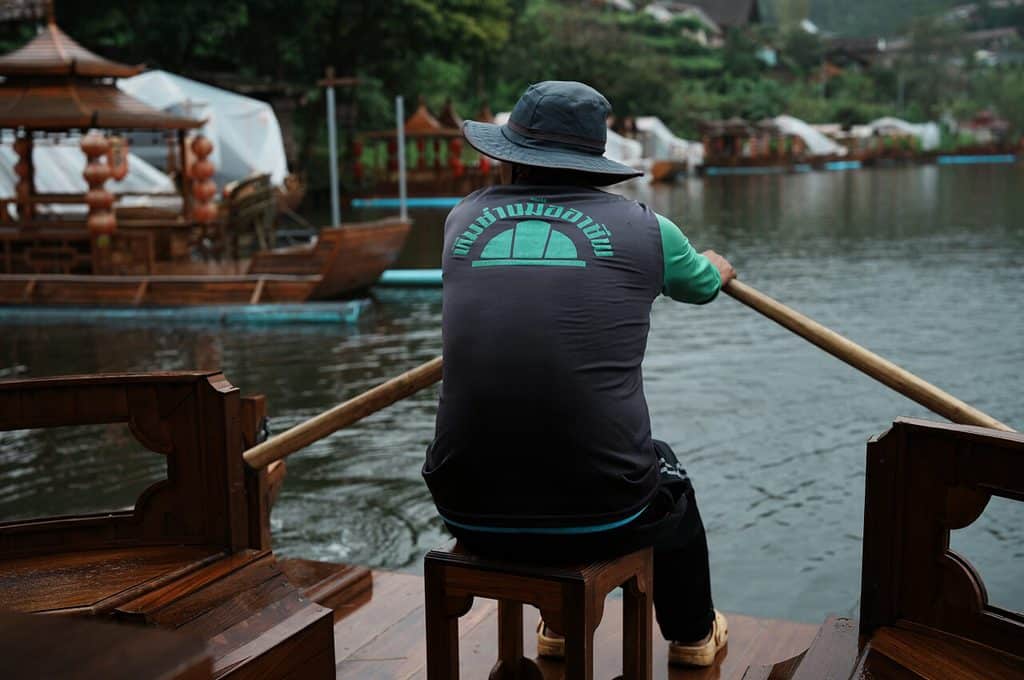
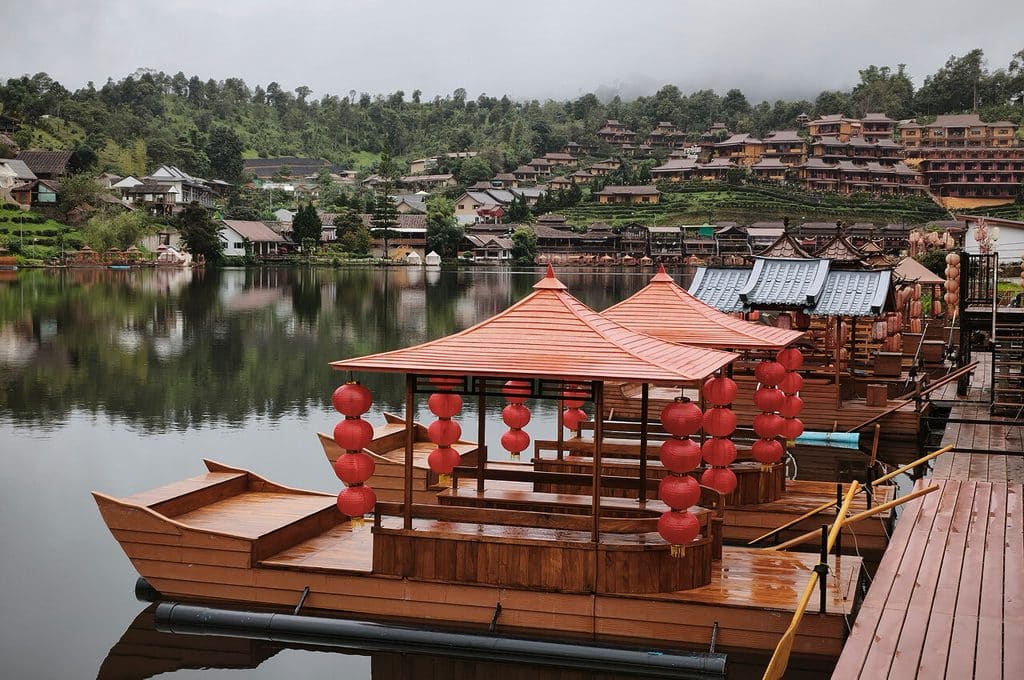
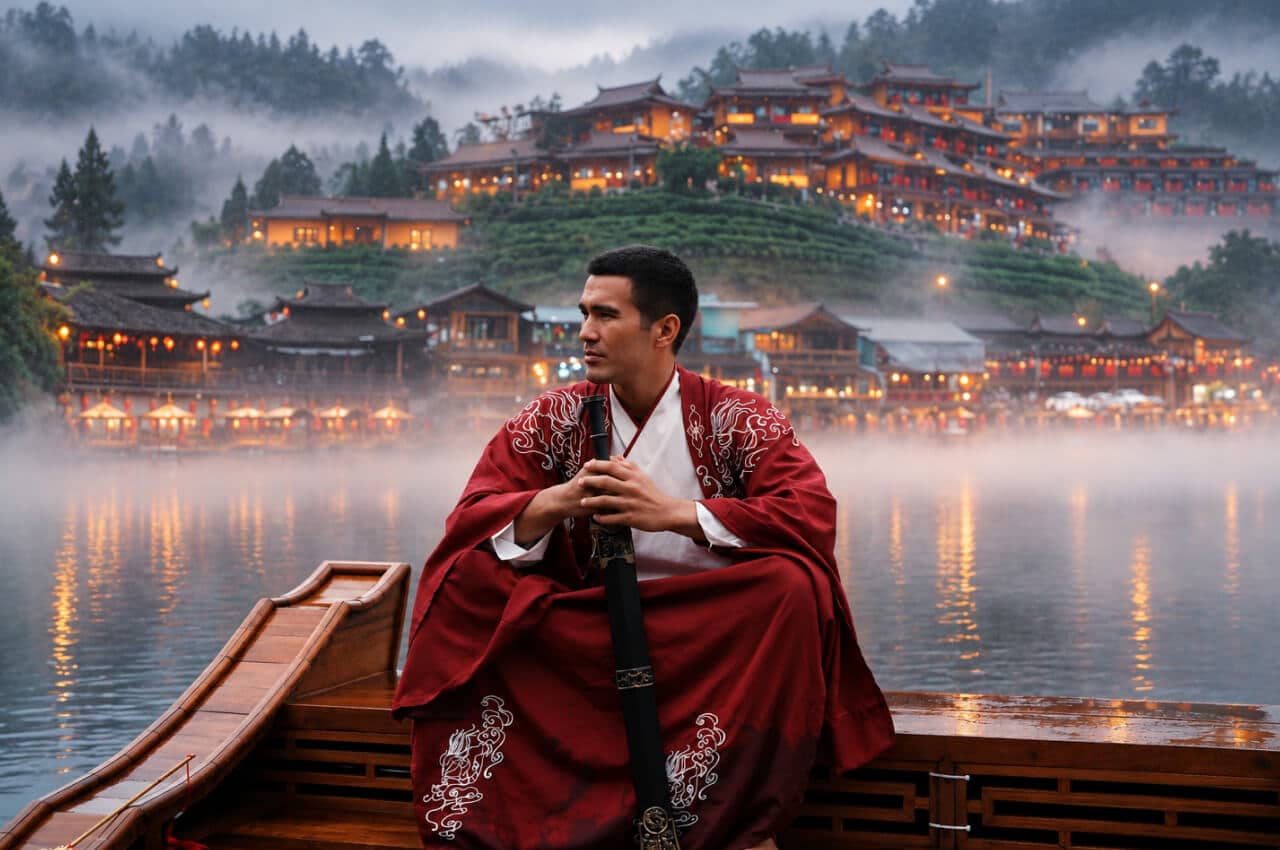
A boat ride on the lake is one of the main things to do in Ban Rak Thai. The lake itself is artificial and was originally created as a reservoir. Today, Chinese-style buildings line its shores, and lanterns light up around the water in the evening. Early in the morning, mist often drifts across the lake, creating an especially atmospheric scene.
Boat rides are available from 6:20 a.m. to 8:20 p.m. Each trip lasts 40 minutes, and the price depends on the number of passengers:
- 2 people — 350 baht
- 3 people — 450 baht
- 4 people — 550 baht
- 5 people — 650 baht
- 6 people — 750 baht
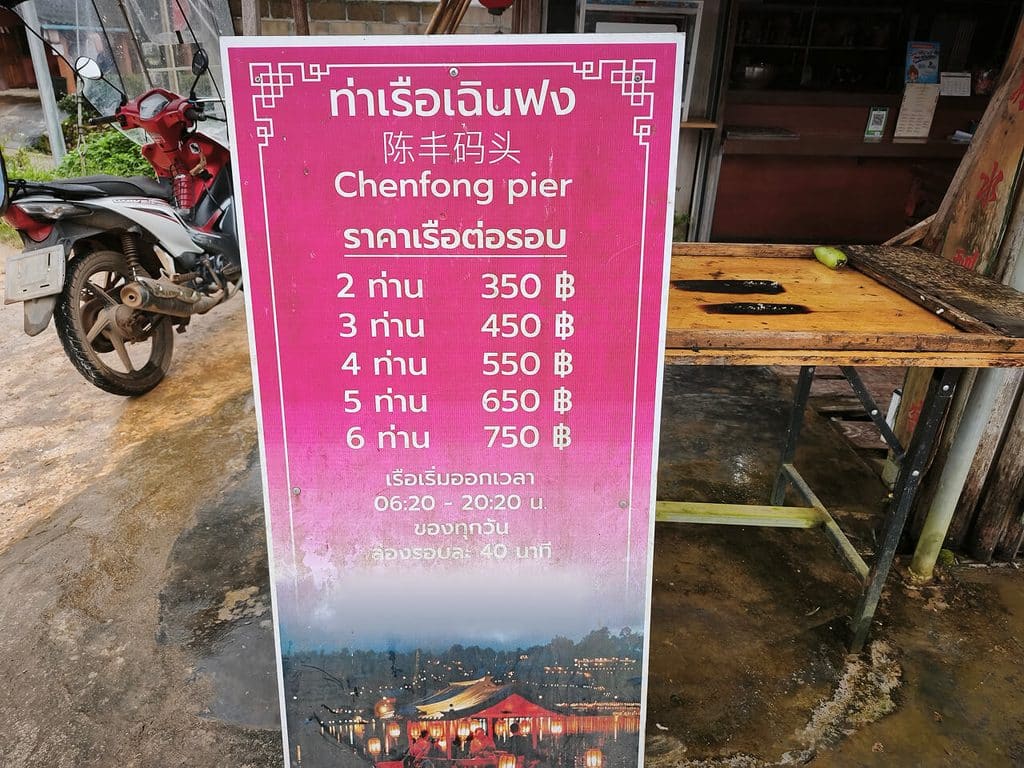
There are plenty of boats on the lake, so booking a ride is usually easy.
✅ I found a simple way to save some money. If you eat at Li Wine Ruk restaurant, you get a 20% discount on the boat ride. That brings the price for two people down from 350 to 280 baht.
Before your boat ride, you can also rent traditional Chinese costumes and have a photo shoot. Women’s outfits usually cost 300–500 baht, while men’s costumes are around 300 baht. However, I found a rental shop opposite Li Wine Ruk where both men’s and women’s costumes cost just 200 baht per hour.
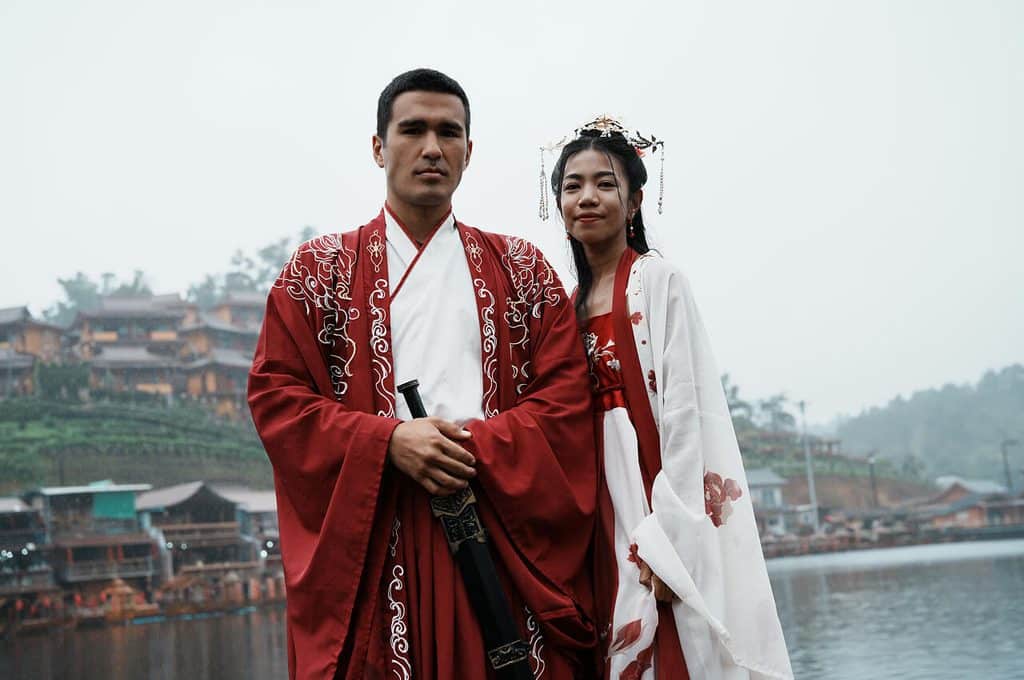
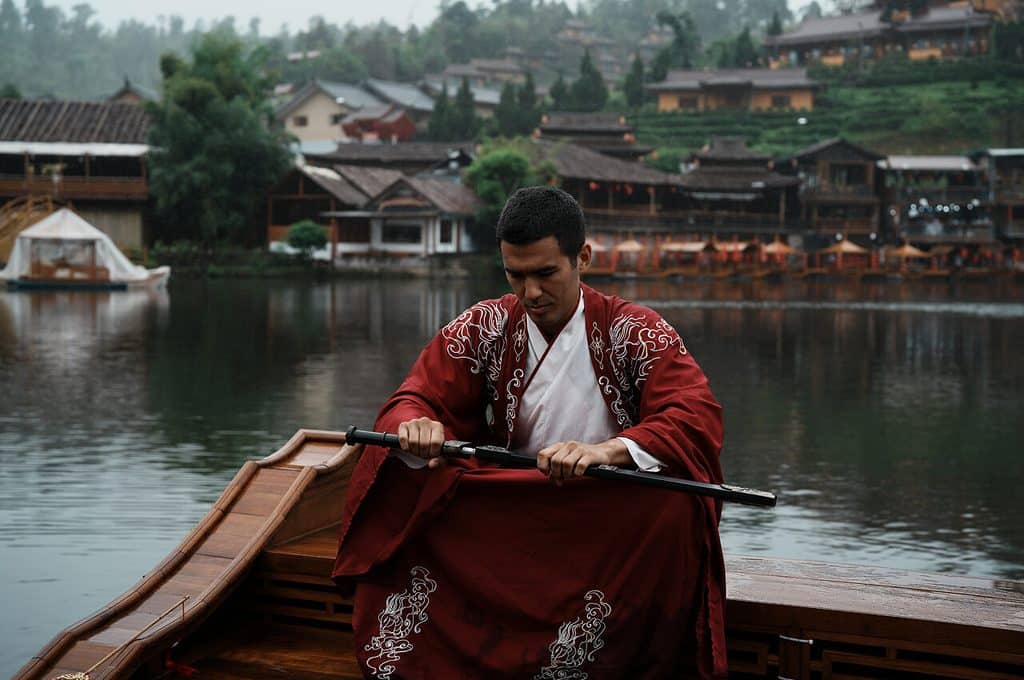
The staff will help you put on the costumes, and they can also style women’s hair. Photo props such as Chinese umbrellas, swords, and other accessories are included for free.
You can also hire a photographer for 1,500 baht per hour. The rental shop will give you the photographer’s phone number so you can contact them and arrange the shoot. But if you have a modern smartphone or your own camera, you can easily take photos yourself. We simply asked our boat captain to take a few pictures of us during the ride.
Tea for a small tea ceremony is also provided free of charge during the boat trip.
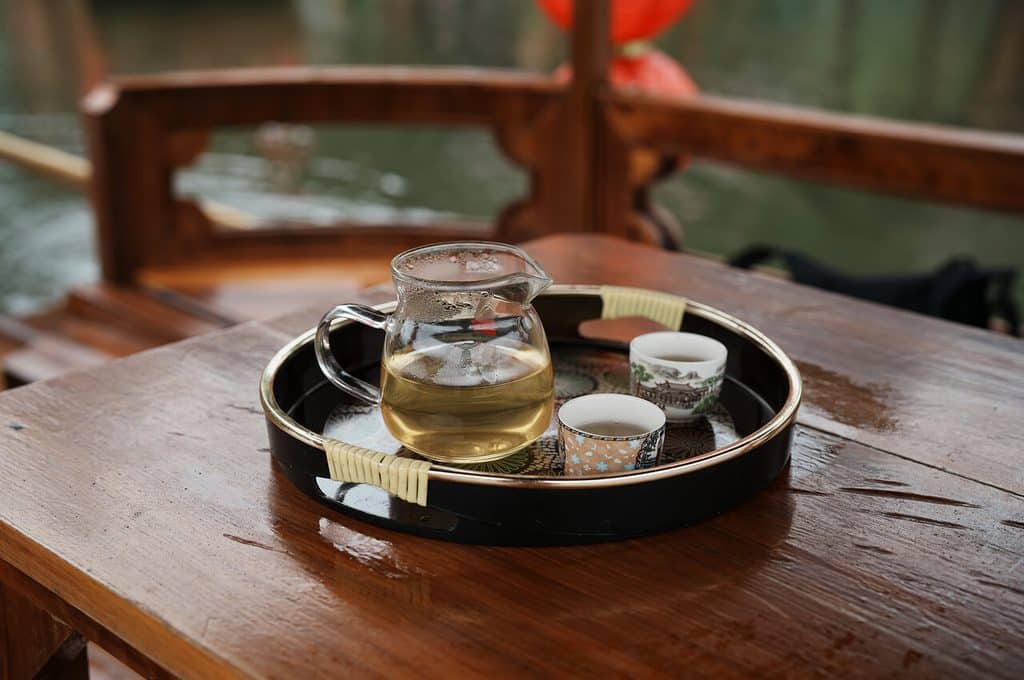
The most popular time for a boat ride is early in the morning, around 7:00–8:00 a.m., when mist may hover over the lake. Another good option is around 6:00–7:00 p.m., when the lanterns around the lake begin to glow and Ban Rak Thai takes on a completely different atmosphere.
Walk Through the Tea Plantations
There are several tea plantations around Ban Rak Thai. We visited the one at Lee Wine Ruk Thai Resort. If you’re not staying at the resort, admission costs 20 baht per person.
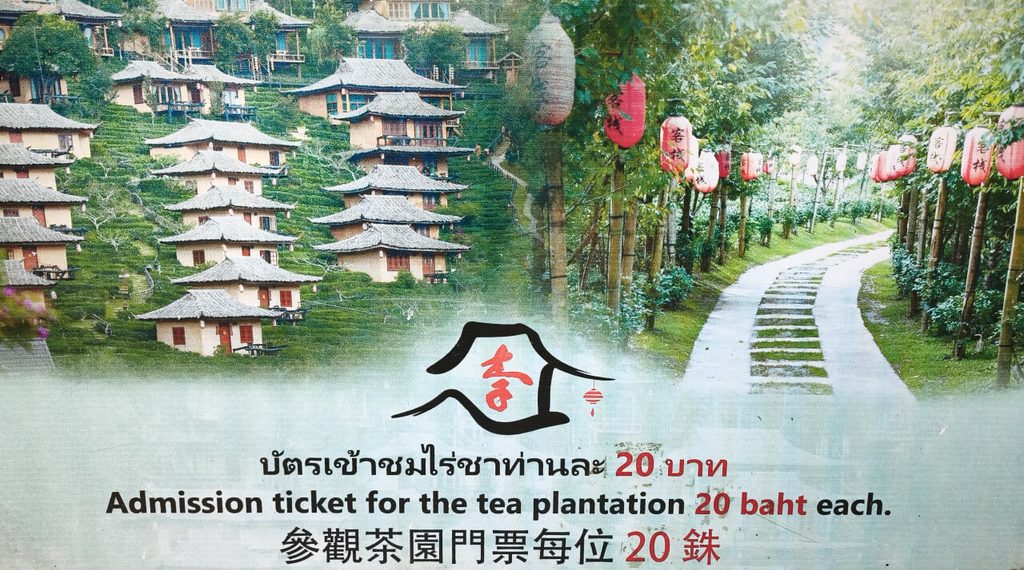
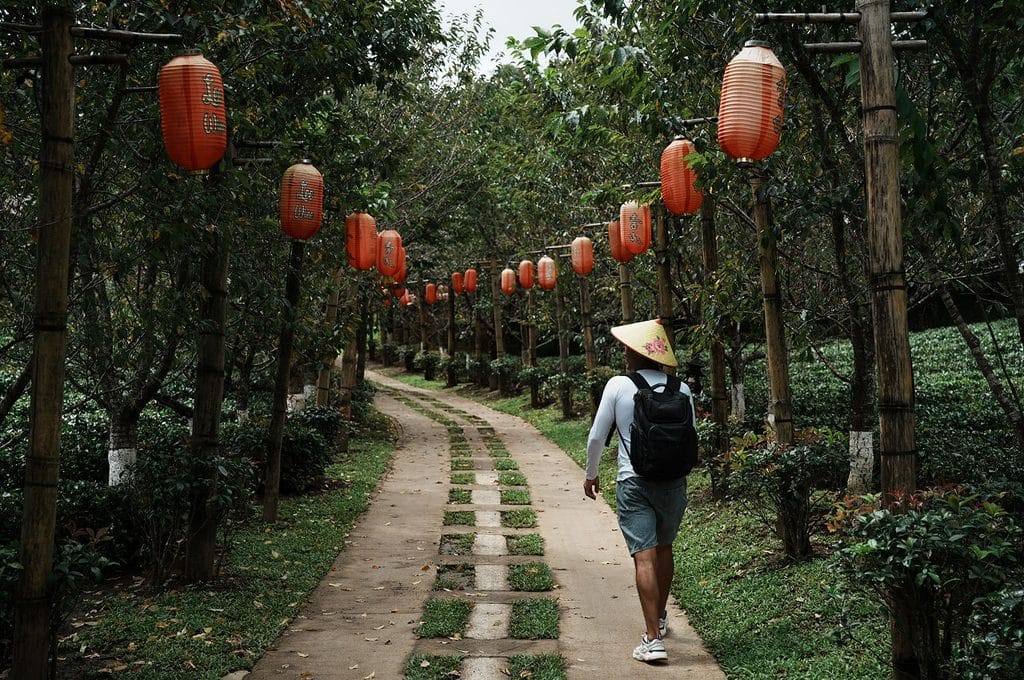
At the entrance, you’ll be given a traditional hat and a basket that you can use for photos. From there, the trail climbs a short distance up the hill, so be prepared for a little hiking.
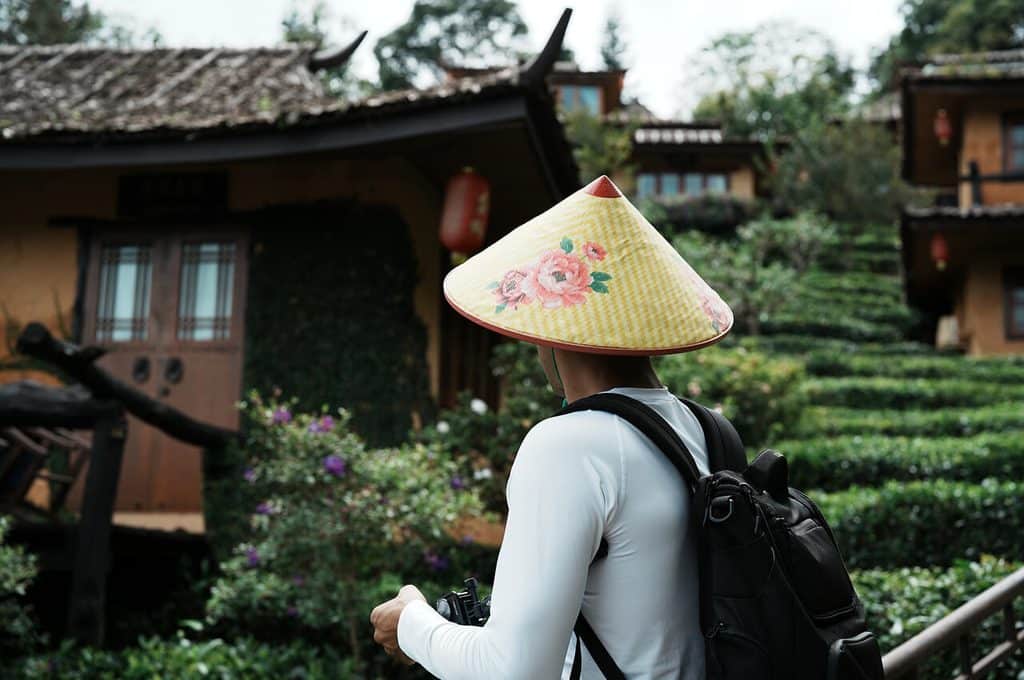
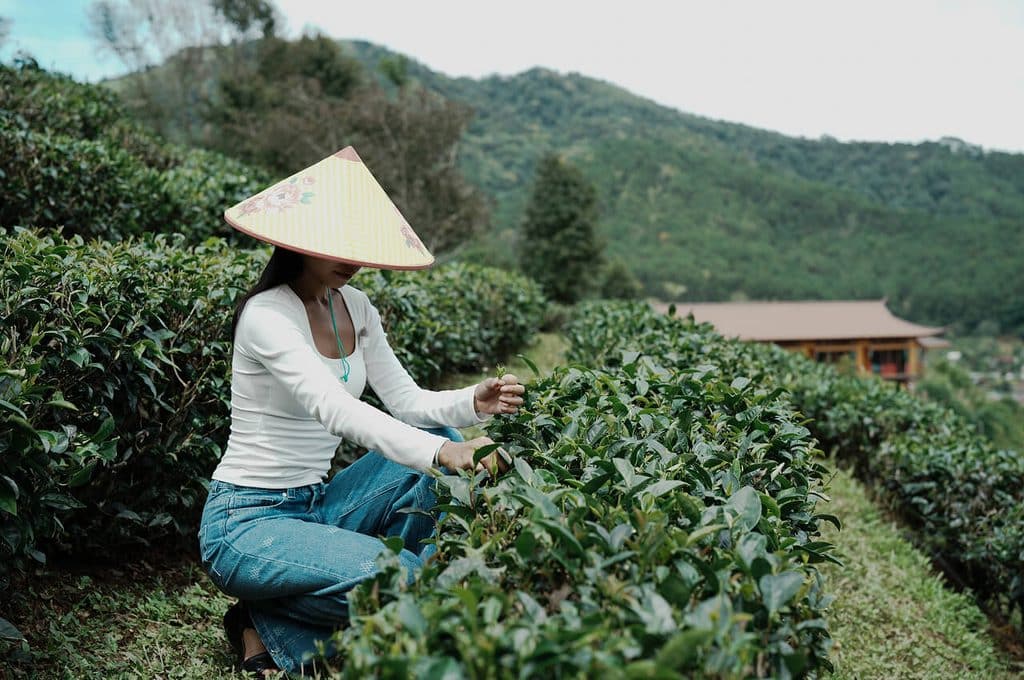
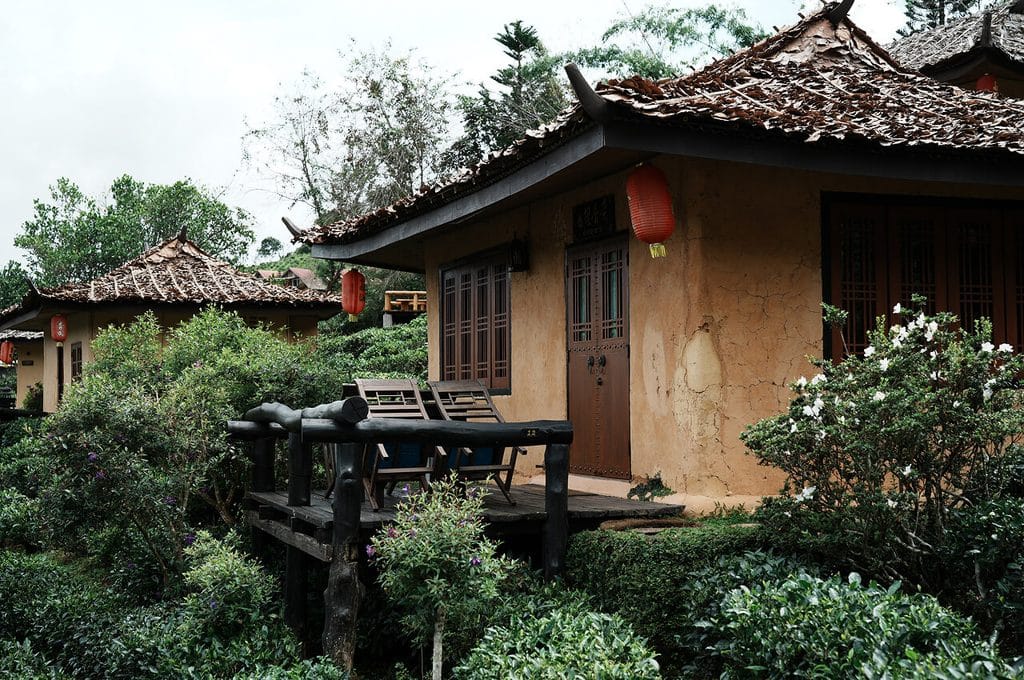
At the top, you can walk among the tea plantations and enjoy beautiful views over Ban Rak Thai Lake and the surrounding hills. At the end of the trail, there’s a small pagoda where you can sit, rest after the climb, and take in the scenery.
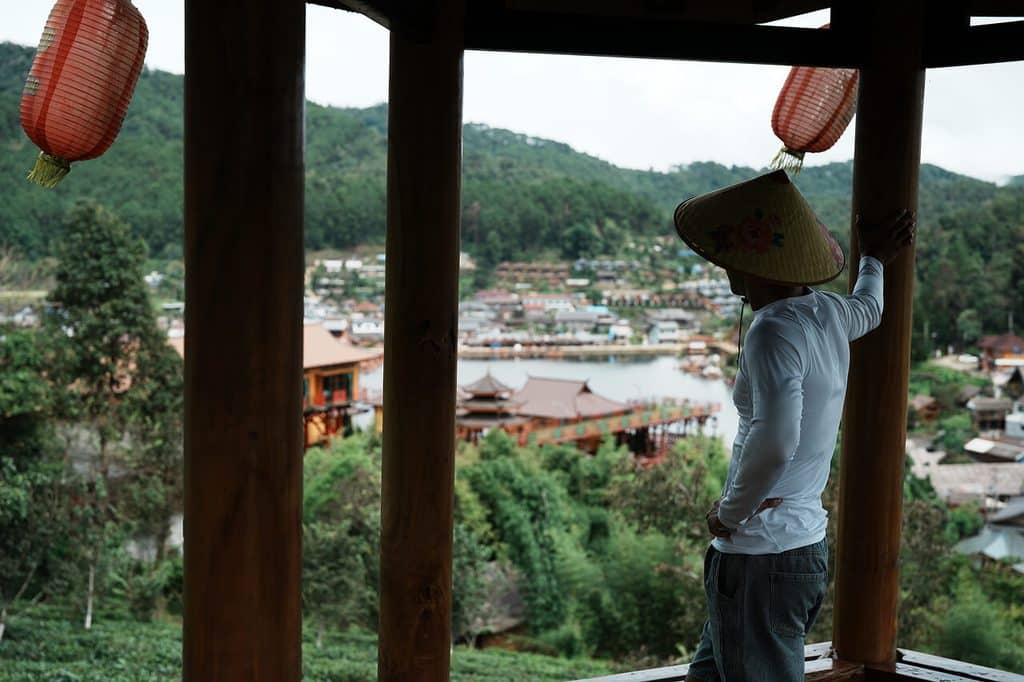
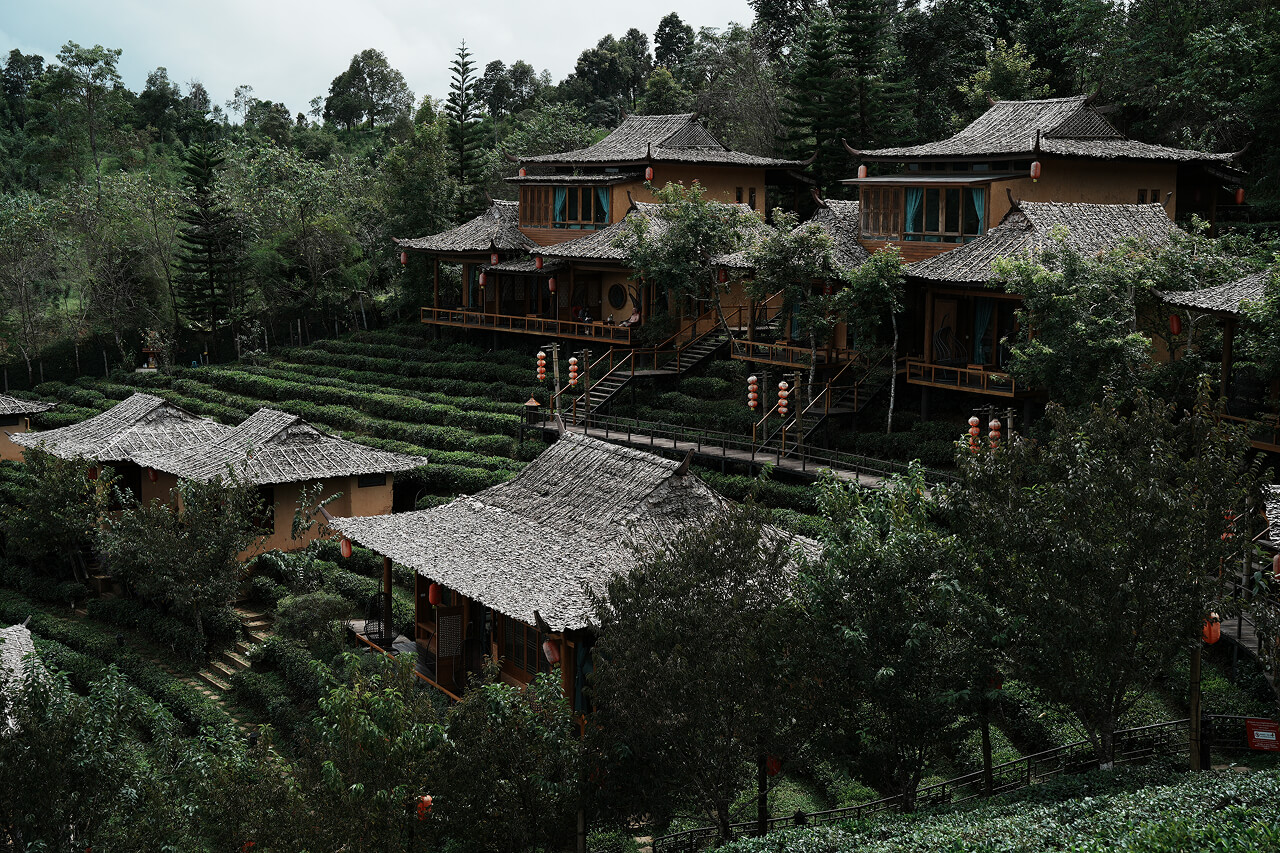
Try Wine from a Local Winery
Next to the Lee Wine Ruk restaurant, you’ll find a shop selling locally made wine, while the winery itself is located on the resort grounds.
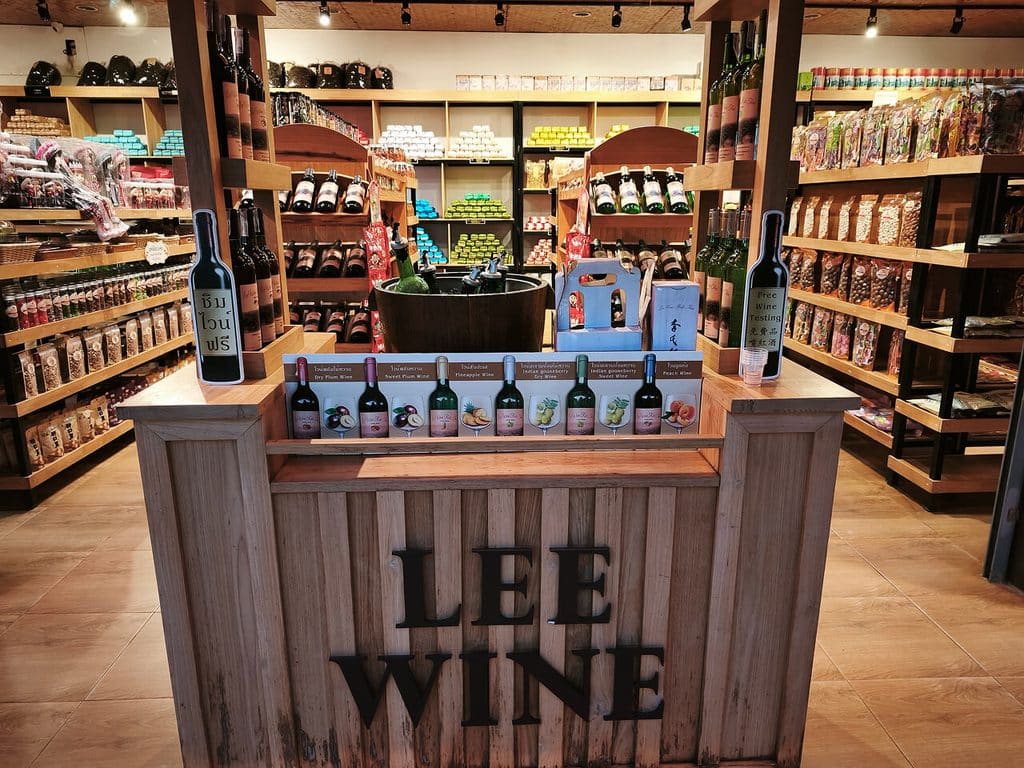
You can taste six different wines for free, choose your favorite, and perhaps improve your mood a little along the way. A bottle costs 280 baht, while the restaurant serves wine by the glass for 100 baht.
My favorites were the pineapple, peach, and sweet plum wines. I liked them enough to leave with three bottles.
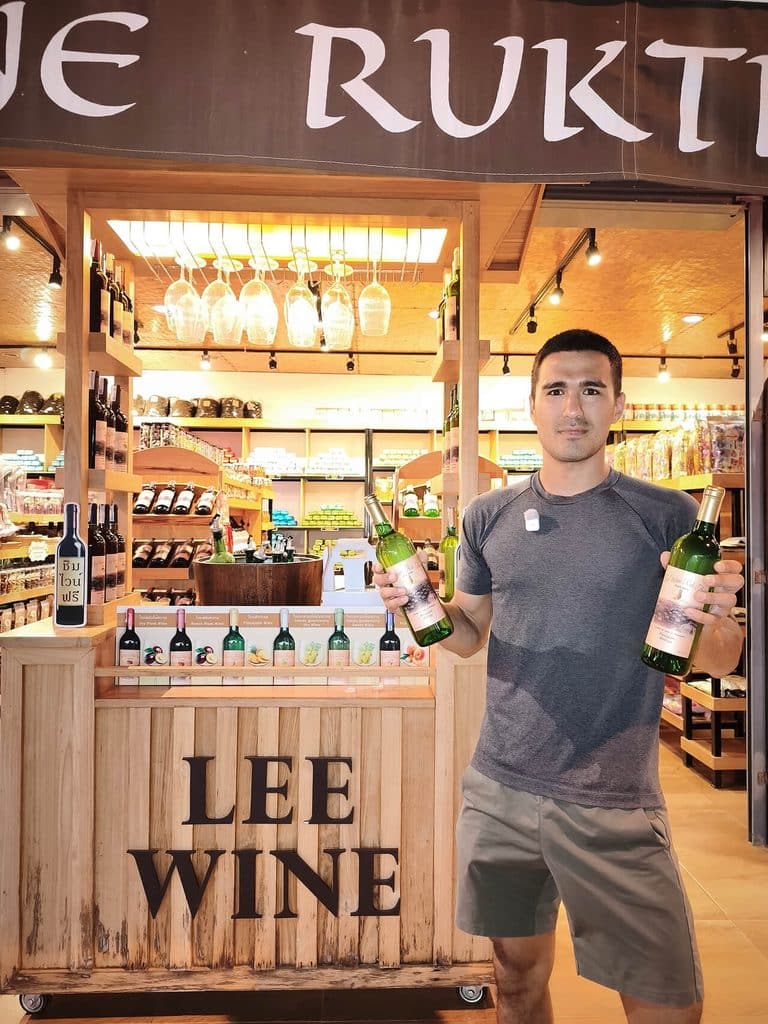
Our tasting was hosted by a very friendly Tai Yai woman. The Tai Yai people live mainly in Shan State in eastern Myanmar, as well as in the northern provinces of Thailand.
There are also other small wine shops along the same street selling wines from different producers. At one of them, I tried Nakara wine from Chiang Mai, which costs 350 baht per bottle.
Admire the Local Architecture
Take a walk along Ban Rak Thai’s main street, which follows the shore of the lake. You’ll see Chinese-style buildings, traditional lanterns, murals and artwork, colorful boats, and other details that reflect the village’s Chinese heritage.

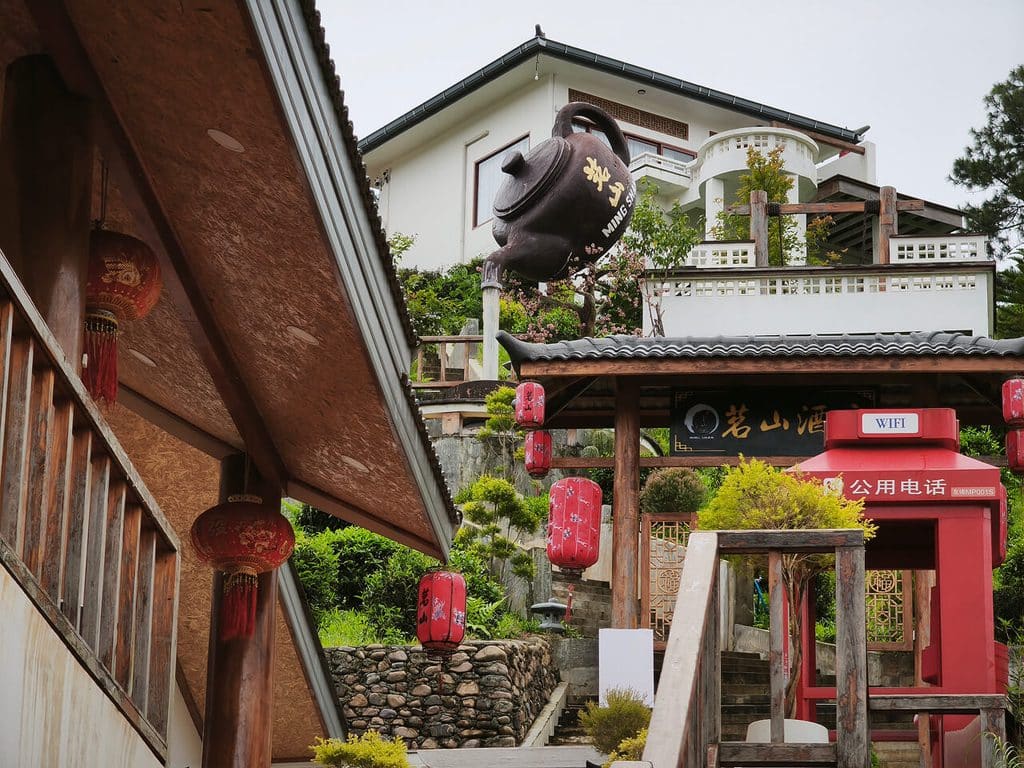
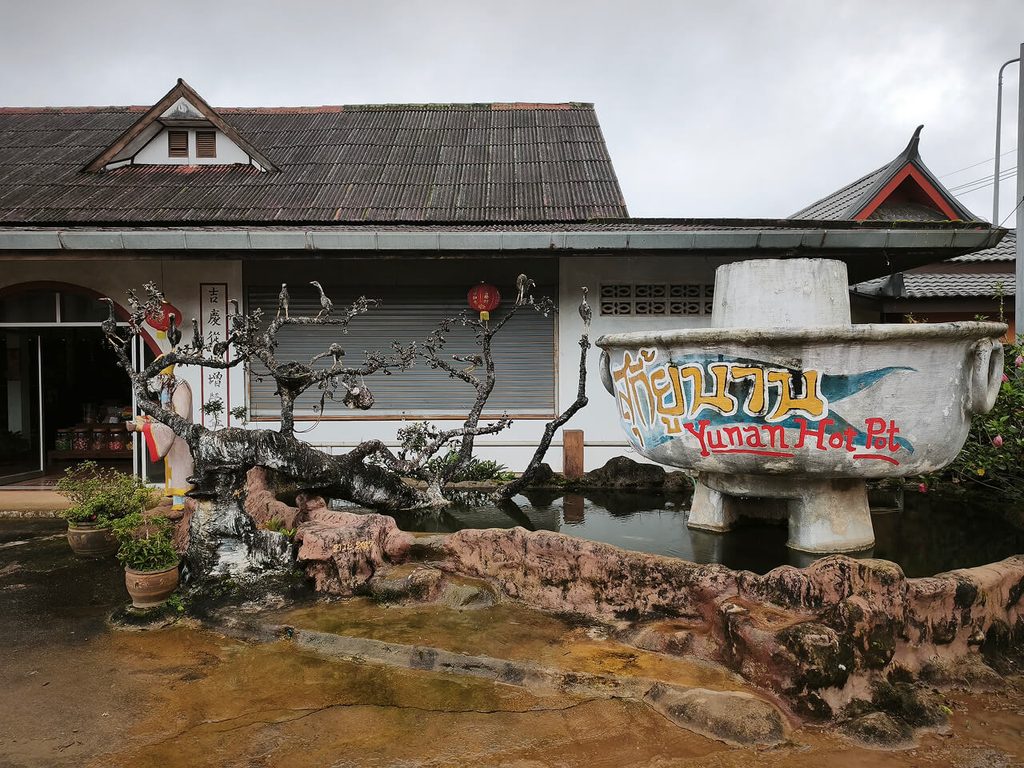
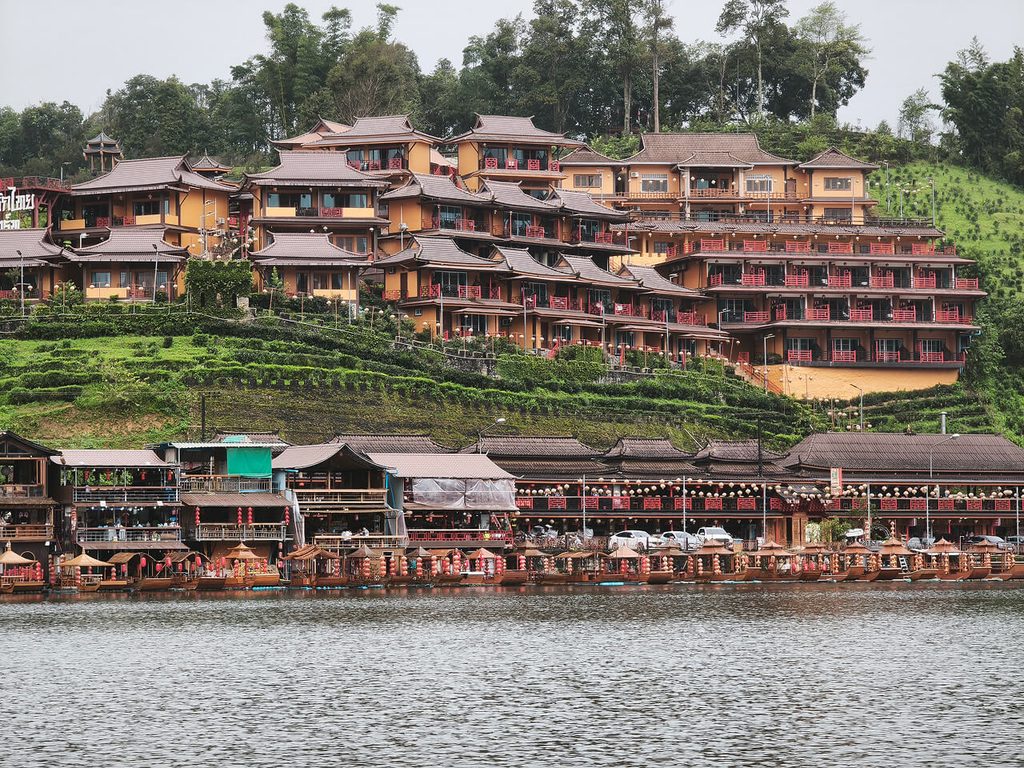
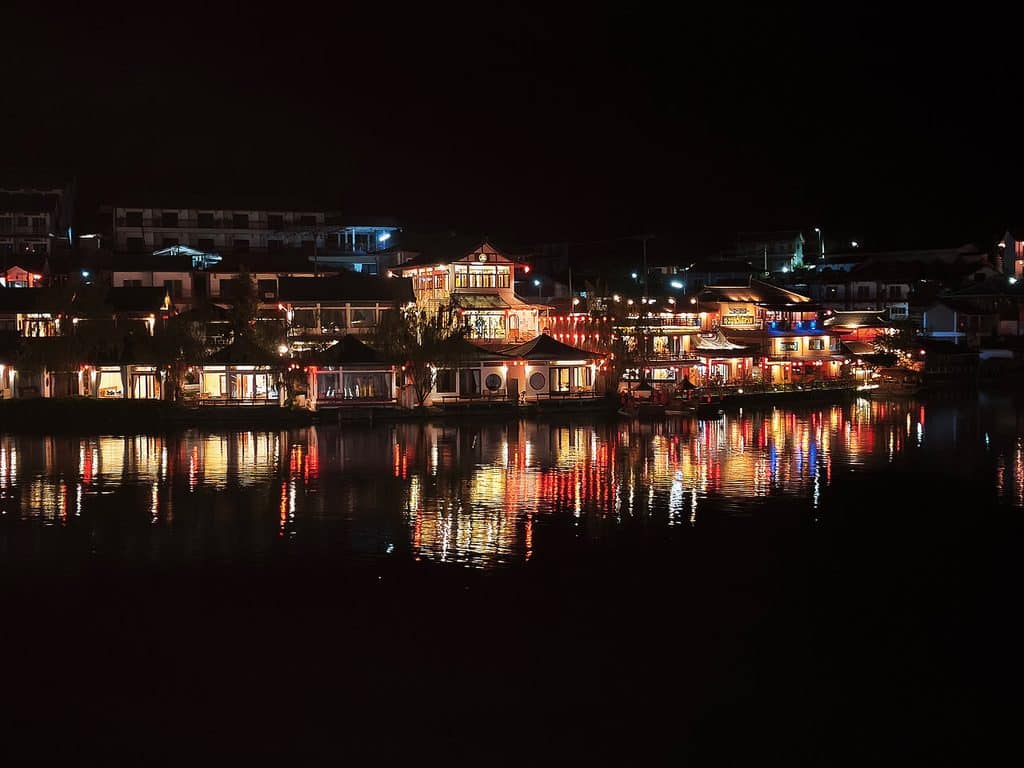
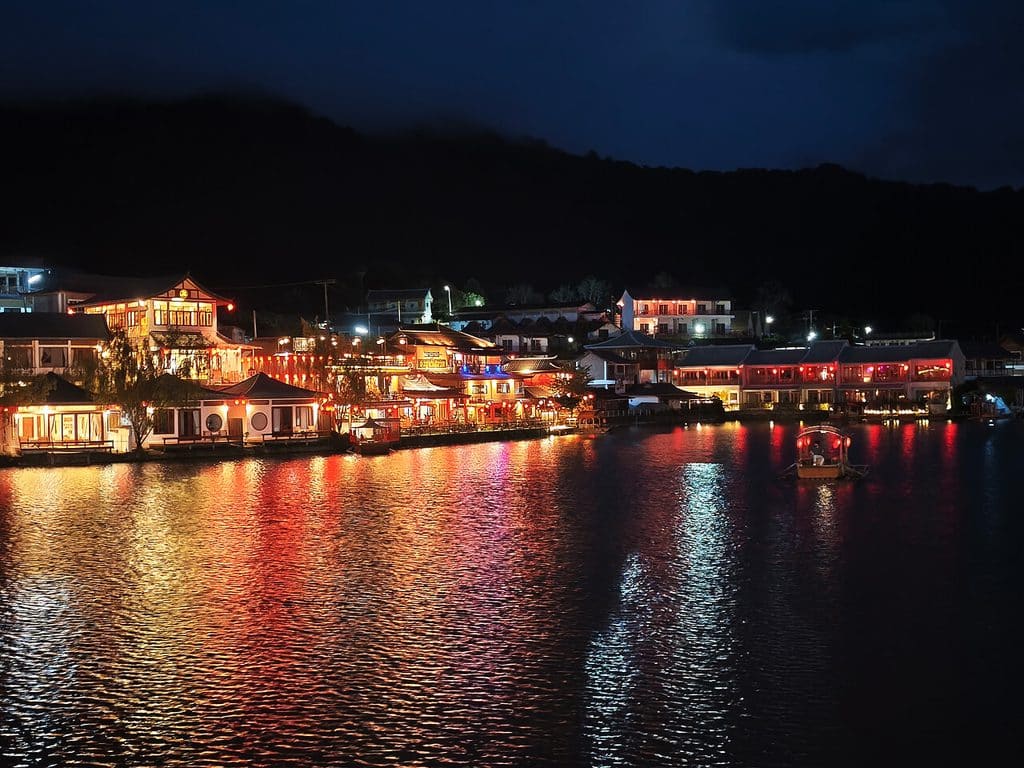
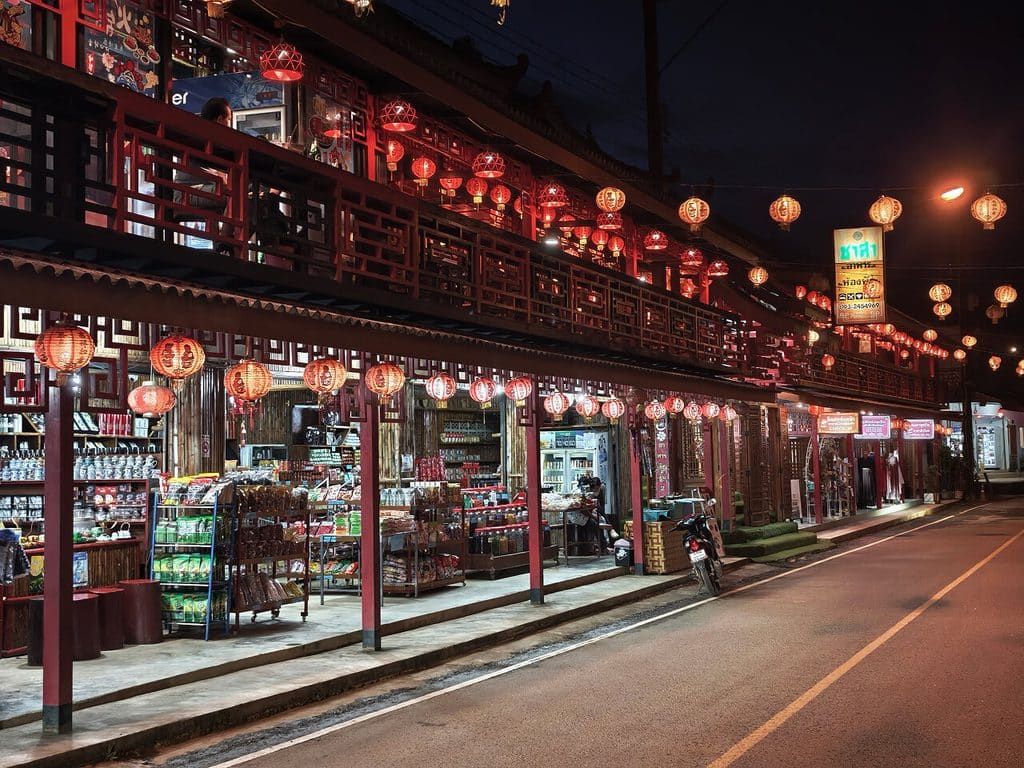
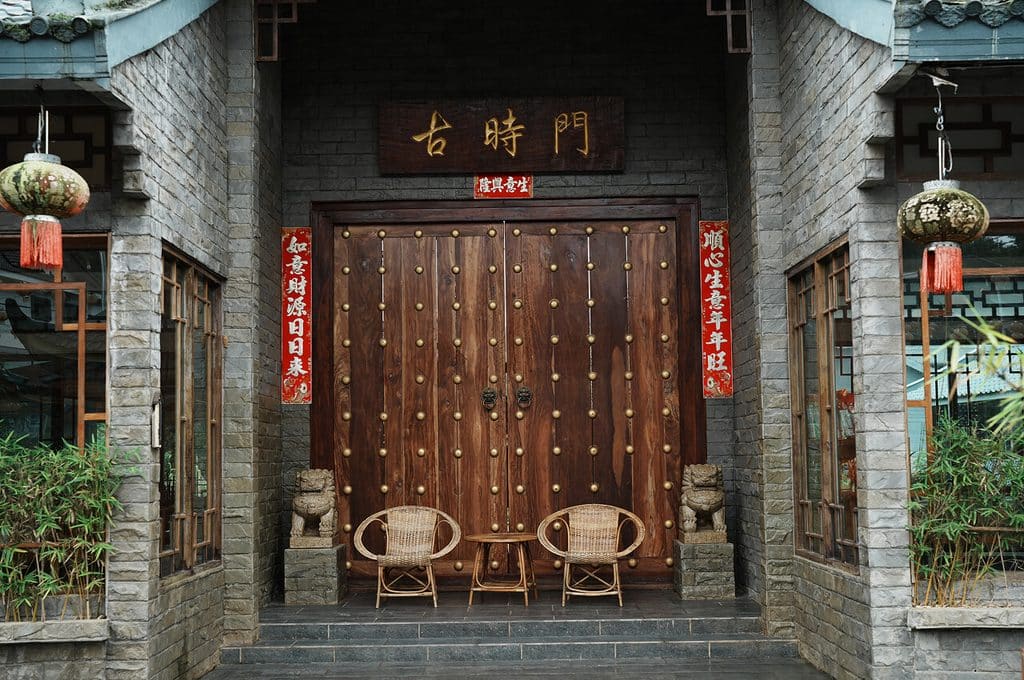
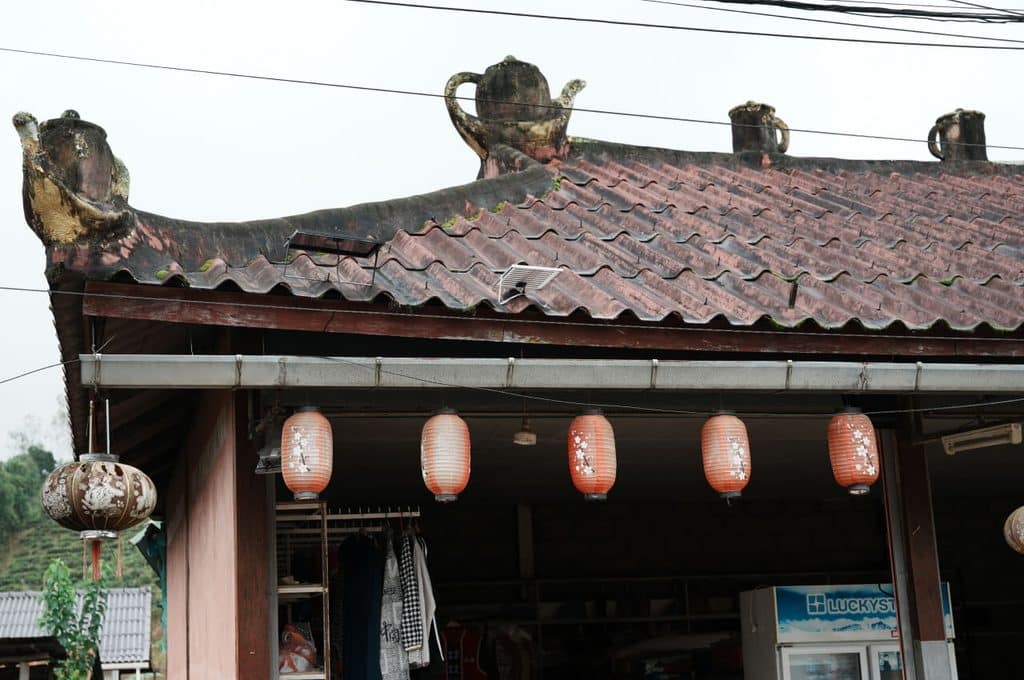
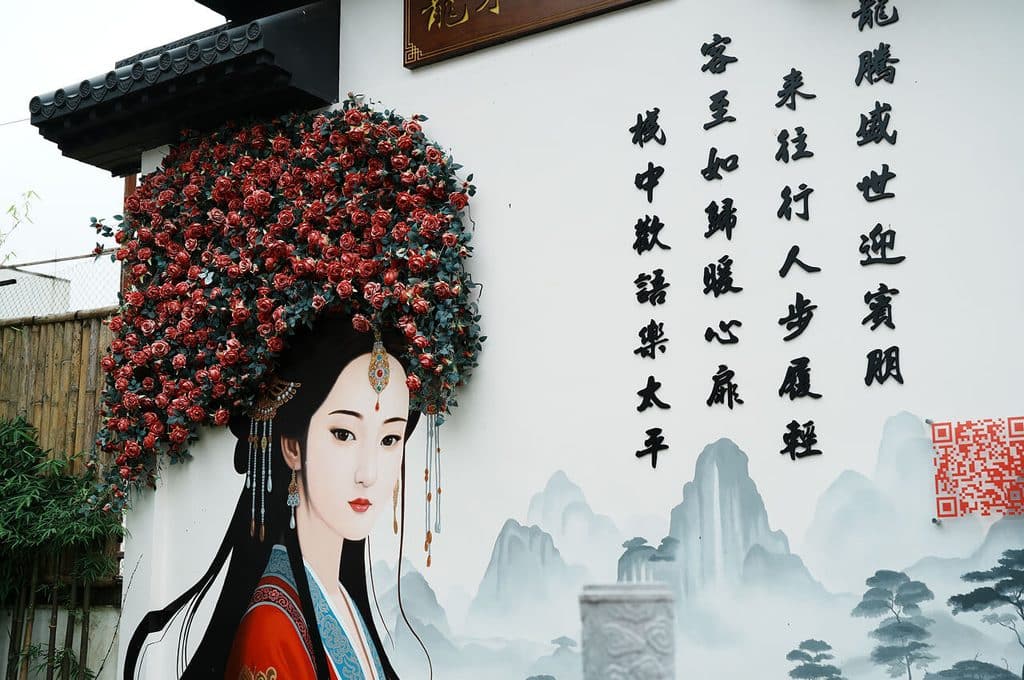
Along the way, stop at one of the cafés overlooking the lake. You can also keep an eye out for images and symbols associated with the Kuomintang and the history of Ban Rak Thai’s first Chinese settlers.
🦟 In the evening, I recommend using mosquito repellent — the mosquitoes here are huge and very hungry. I got bitten badly.
Where to Stay in Ban Rak Thai
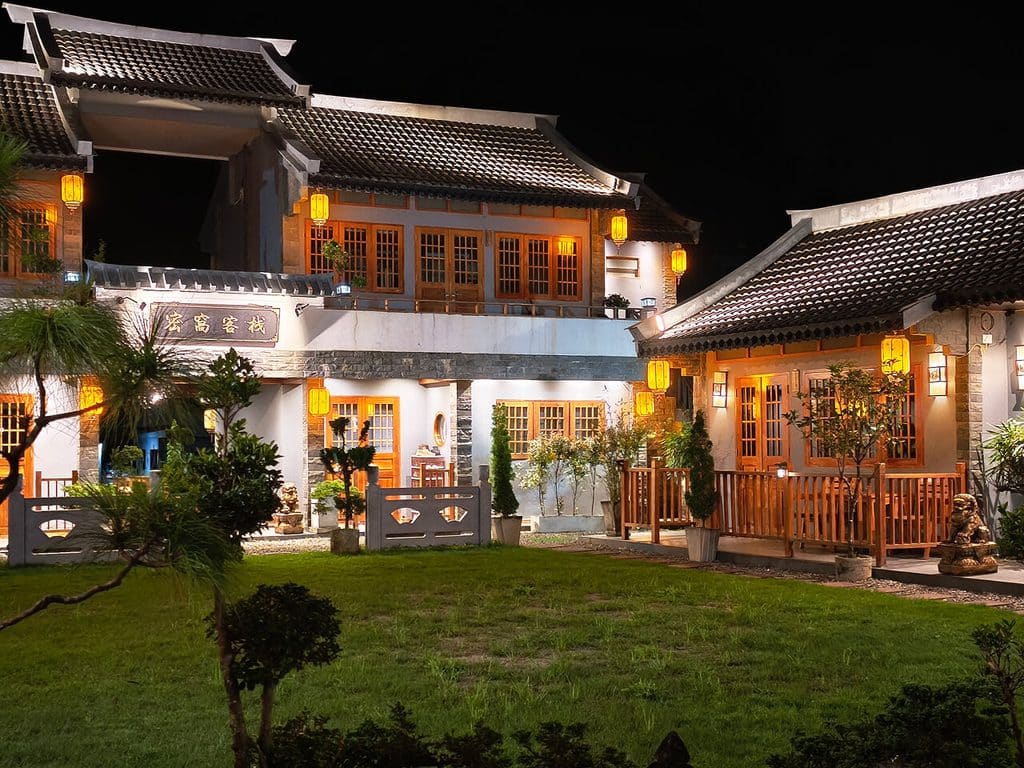
I researched the hotels and accommodation in Ban Rak Thai and visited every place on the list below. These four stood out to me for their location, views, and overall atmosphere:
- Lee Wine Ruk Thai Resort — the most popular resort in Ban Rak Thai, with its own tea plantations, restaurant, café, and winery.
- Chasa RakThai Resort — a hillside hotel near Lee Wine Ruk Thai Resort with beautiful views over the lake.
- Miwo Kezhan — a beautiful and peaceful Chinese-style hotel with convenient parking and interesting room designs. This is where I stayed.
- Wojia Resort — a hillside hotel with a scenic café overlooking the village and lake. I stopped here for coffee, and the views were incredible.
Where to Eat in Ban Rak Thai
Most restaurants in Ban Rak Thai serve Yunnan cuisine, reflecting the village’s Chinese heritage. I personally visited every restaurant and café on the list below.
Lee Wine Yunnan Restaurant
Lee Wine Yunnan Restaurant is one of the most popular restaurants in Ban Rak Thai and is part of Lee Wine Ruk Thai Resort. Chinese music plays in the background, the terrace offers beautiful views over the lake, and the menu features interesting Yunnan dishes at reasonable prices.
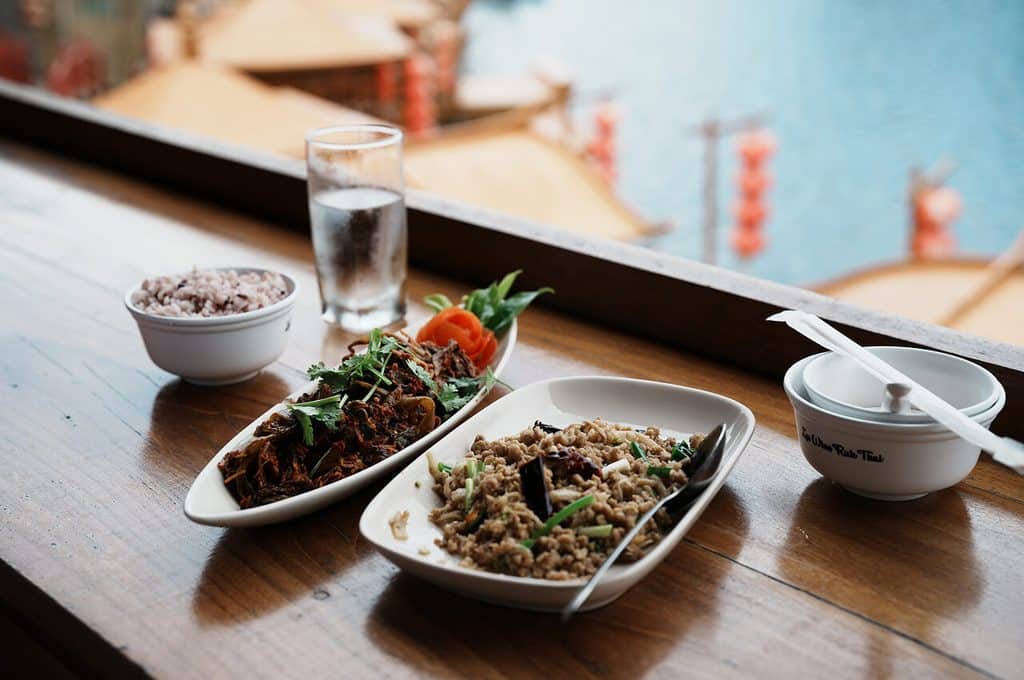
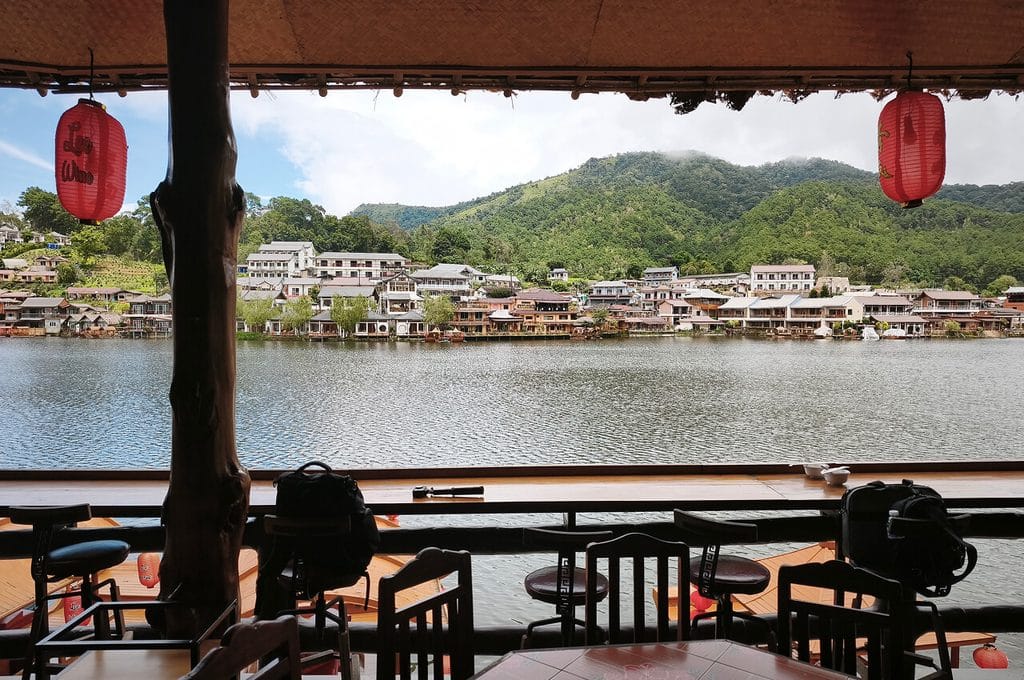
Tea is served with your meal for free. After paying the bill, you also receive a 20% discount on a boat ride and 10% off souvenirs in their shop, excluding wine. You can also try locally produced Lee Wine here.
Lee Wine Coffee
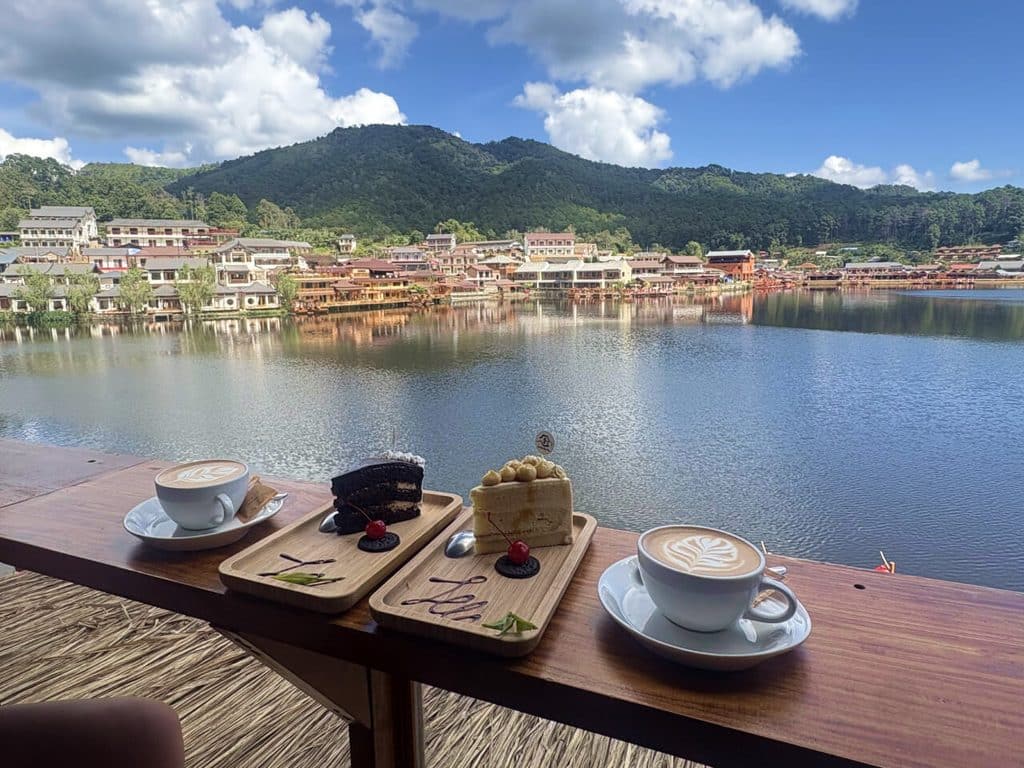
Lee Wine Coffee is a café next to Lee Wine Yunnan Restaurant. It’s a good place to stop for coffee and dessert, with tempting options such as cheesecake.
Ran Kuai Tiao Pa Nuai
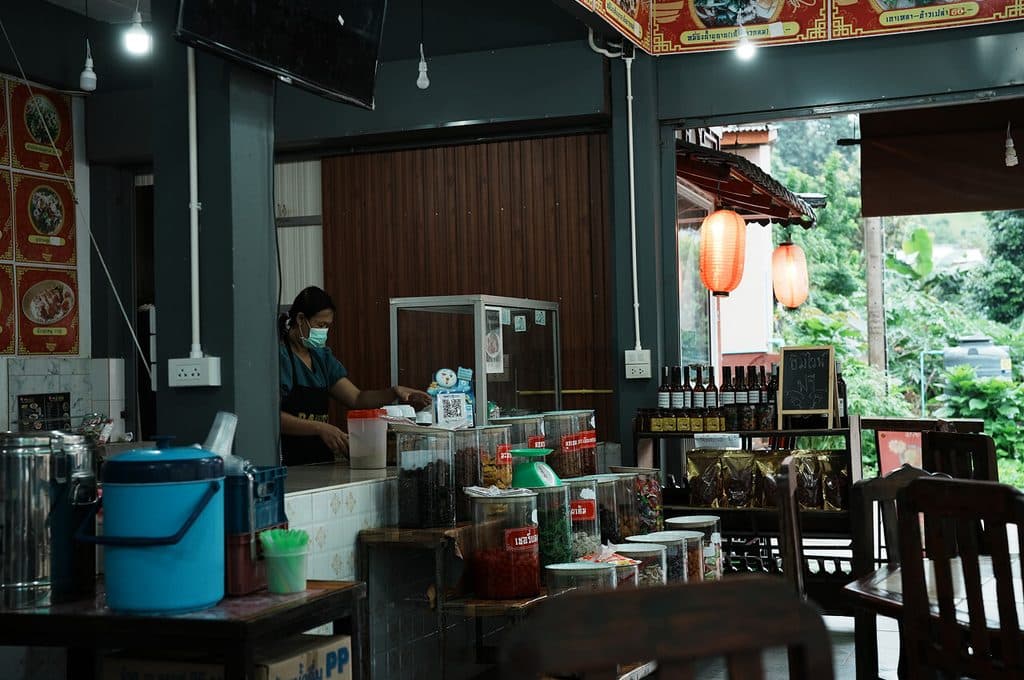
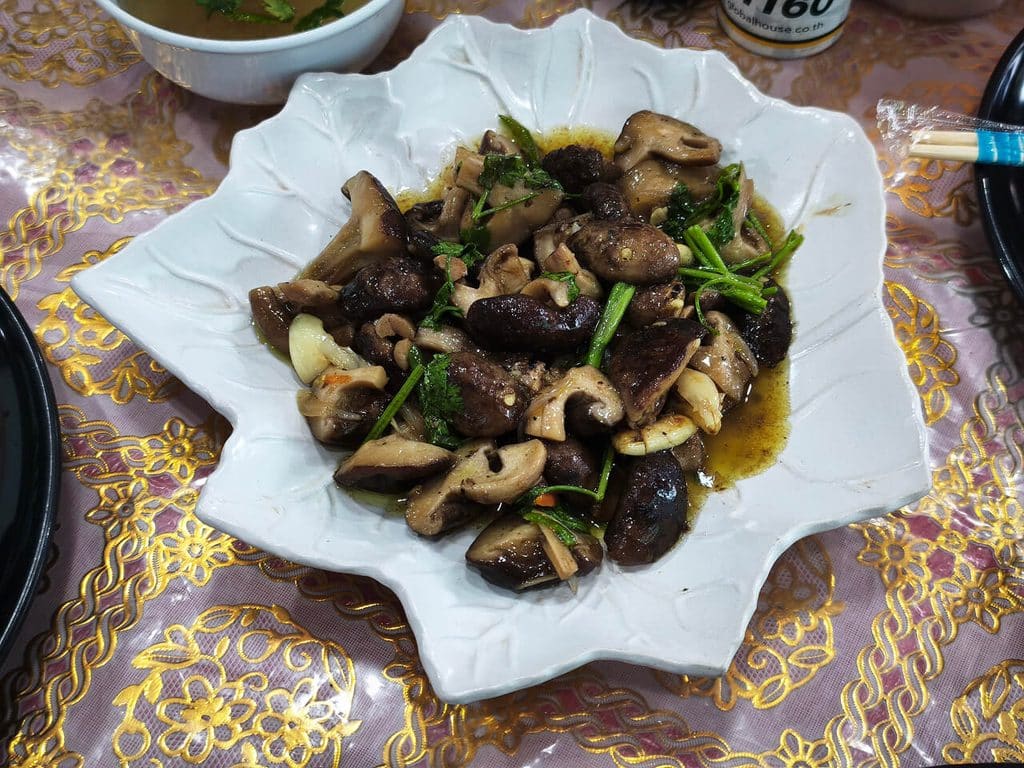
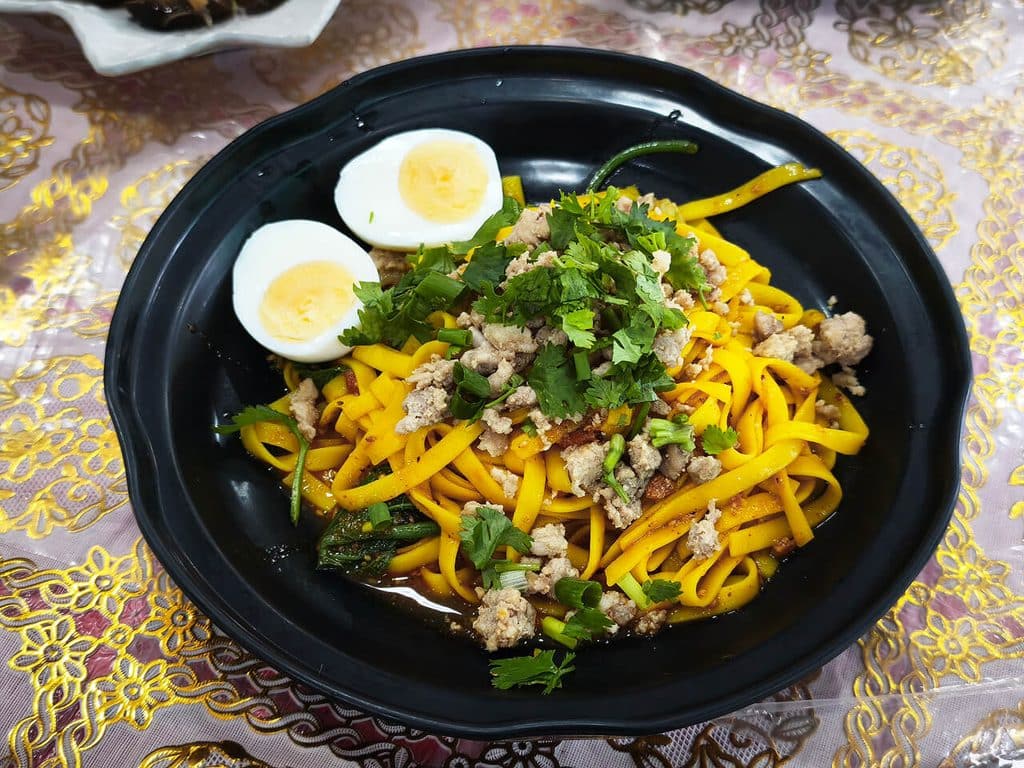
Ran Kuai Tiao Pa Nuai is an inexpensive noodle shop serving Yunnan cuisine. We tried an interesting mushroom dish here, and it was delicious. A bowl of noodles costs around 50–60 baht.
Wojia Cafe
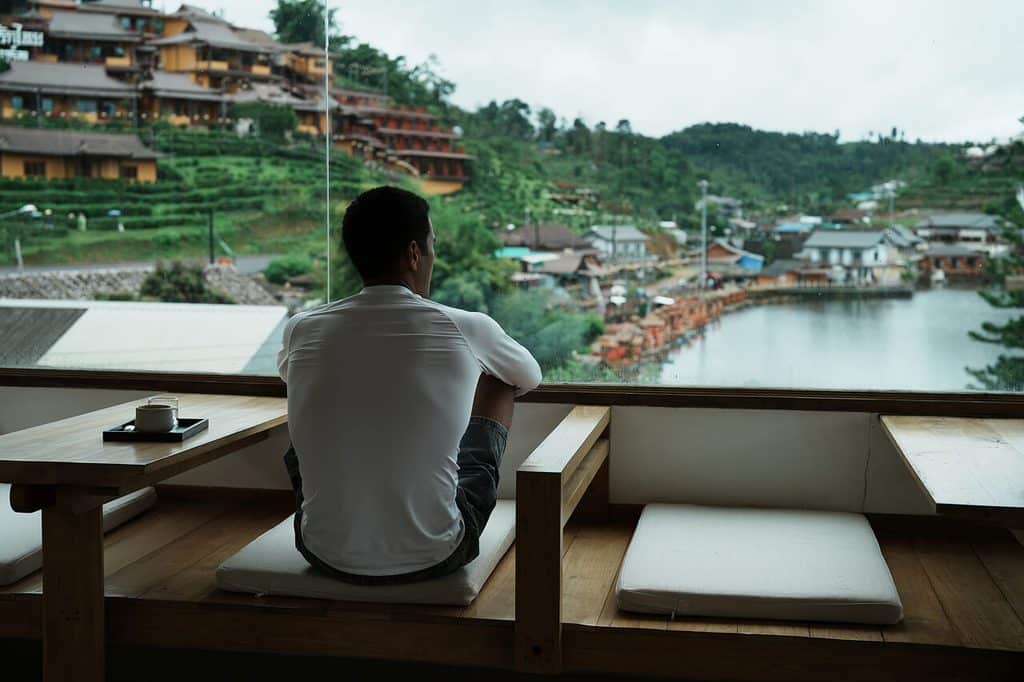
Wojia Cafe is a cozy coffee shop overlooking the lake. It has decent coffee, desserts, and fast Wi-Fi, making it a good place to sit with a laptop and get some work done. They don’t serve full meals.
Snack Bar Lixian
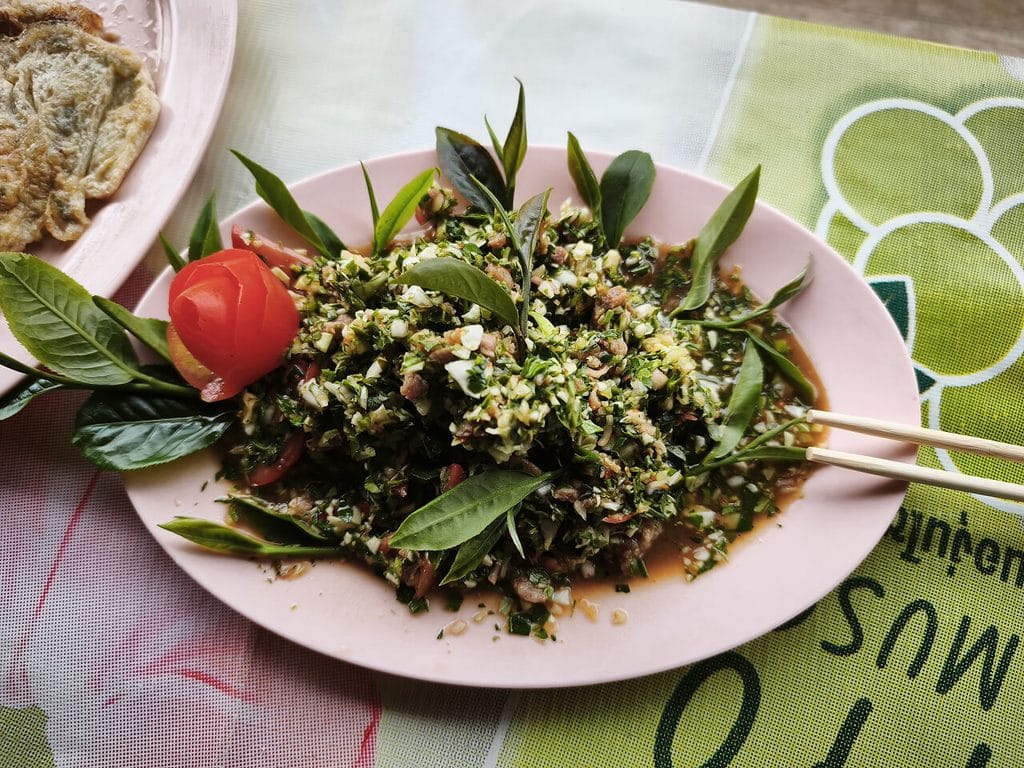
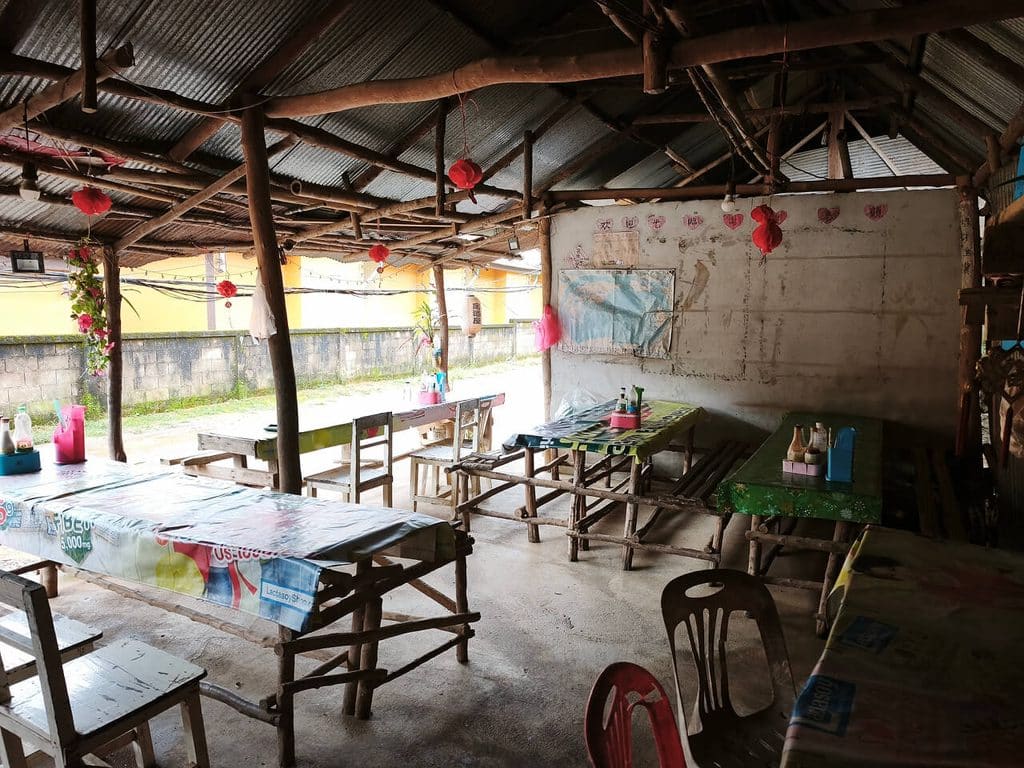
Snack Bar Lixian is a small, simple eatery run by a very friendly owner who cooks everything herself the old-fashioned way over a wood fire, so expect to wait a little for your order.
The signature dish is a tea leaf salad made with leaves grown on the plantation on the hill behind the café. The food is tasty, and the prices are very affordable.
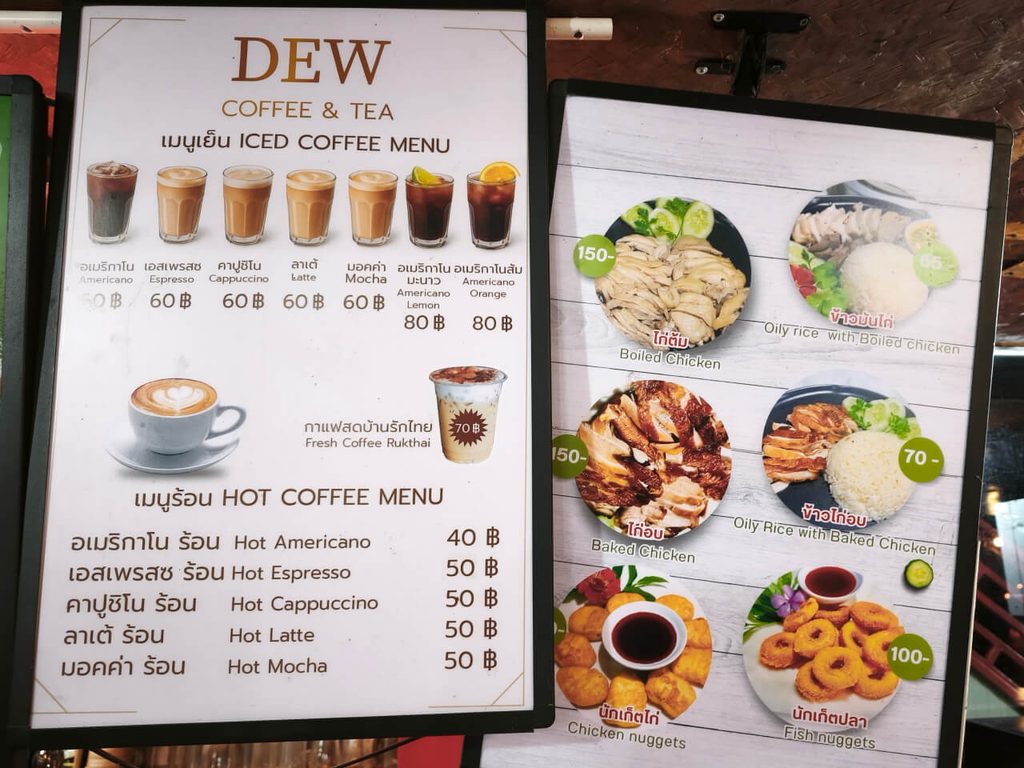
Dew Coffee Shop
Dew Coffee Shop serves much more than its name suggests. In addition to coffee, you can order proper meals such as chicken with rice. We had dinner here on our first evening in Ban Rak Thai.
Head upstairs if you can — the second floor has a beautiful view of the lake and an especially pleasant atmosphere in the evening.
Best Time to Visit Ban Rak Thai
Locals told me that the best time to visit Ban Rak Thai is from November to January. During these months, morning and evening temperatures can drop to around 12°C (54°F), and the mist that the village is famous for often drifts across the lake.
However, this is also a busier time of year, and hotel prices increase significantly. For example, at Miwo Kezhan, where I stayed in late August, a room costs around $35 per night during the low season. In October, the price rises to about $66, while during the peak season in November and December, it can reach $90 per night.
Personally, I don’t regret visiting Ban Rak Thai in August. There were hardly any tourists, and at times it felt as if I had the entire village to myself.
FAQs
You can see all the main attractions and things to do in Ban Rak Thai in two days. I wouldn’t recommend staying for more than two nights.
Yes. Mornings and evenings can be chilly, especially from November to January, so it’s worth bringing some warm clothes.
