✅ Updated on 06.11.2025

Best Temples in Chiang Rai
- Blue Temple
- White Temple
- Wat Huay Pla Kang
- Wat Mung Muang
- Wat Saeng Kaew Photiyan
I’m not a huge temple enthusiast, but these five are absolutely worth visiting. Interestingly, when I was in Chiang Rai, the ones that impressed me most weren’t the famous White Temple, but the Blue Temple and Wat Huay Pla Kang.
Chiang Rai Temples Map
To make things easier, I’ve added all the temples to a Google Map. You can open it in a new tab or share it with a friend to help plan your trip.
🏨 Good and affordable hotels in the center of Chiang Rai: B2, Diamond Park, Hi, The Space. Here are some more hotels I liked, though they’re not in the center: The Imperial, Amarin, Meesuk, Le Meridien, La Maison, Lavanda.
White Temple (Wat Rong Khun)
📍 Location: Google Maps
💸 Entry Fee: 100 THB
🕗 Opening Hours: 08:00–17:00
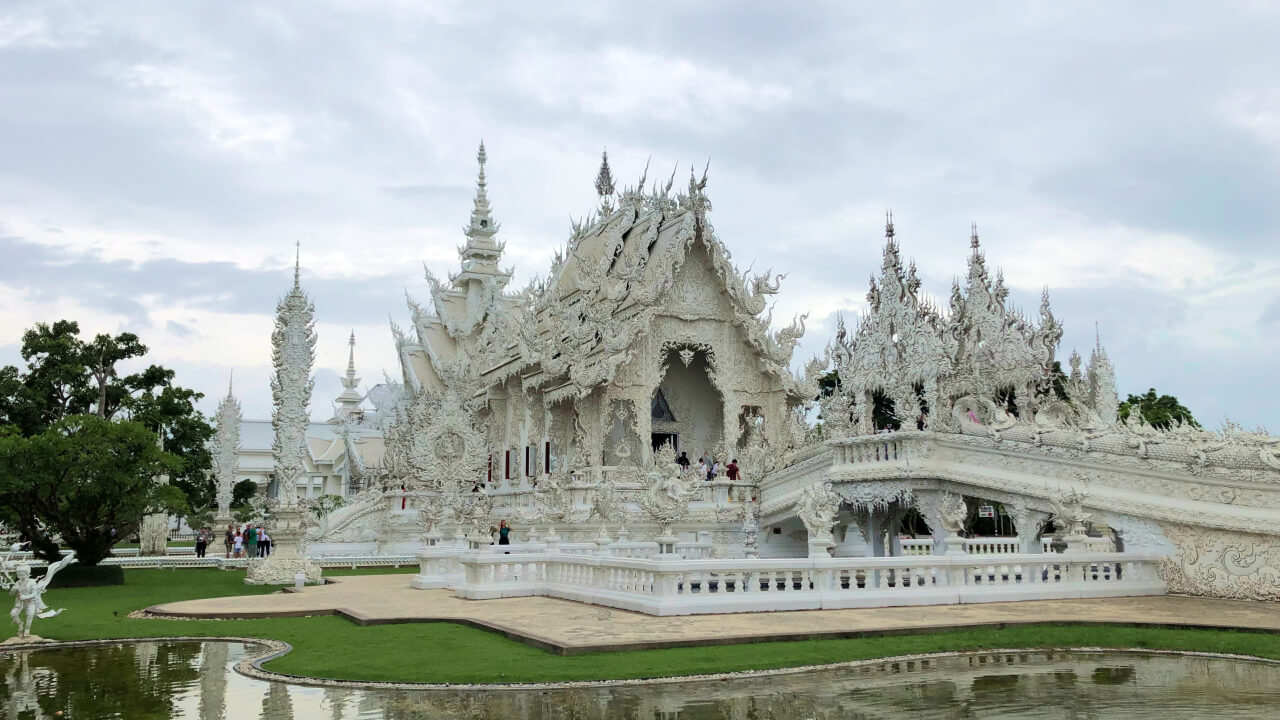
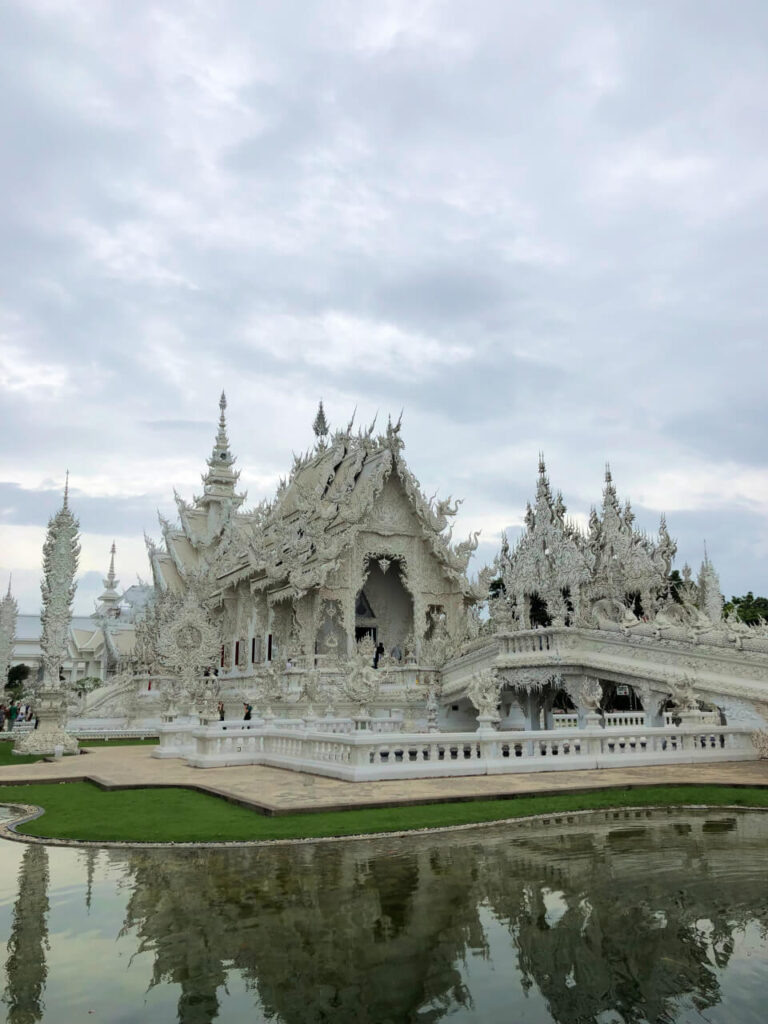
The White Temple (Wat Rong Khun) is the city’s most famous landmark — and arguably one of the most unusual temples in Thailand. It’s not an ancient Buddhist site but a modern masterpiece created in 1997 by Thai artist Chalermchai Kositpipat. He funded the project himself and continues working on it, with completion expected around 2070.
💡 Why is it white?
The white color symbolizes the purity of Buddha, while the mirrored elements make the temple sparkle in the sunlight. From afar, it almost looks like it’s sculpted from snow or ice.
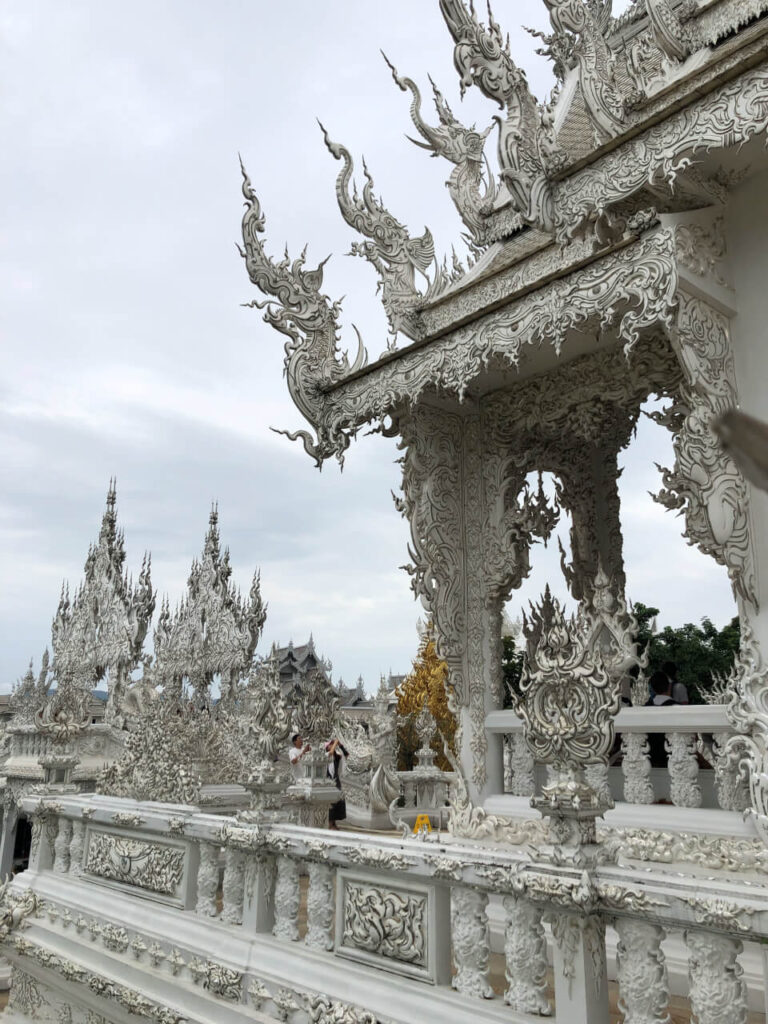

🔹 What to Expect
Bridge Over “Hell”
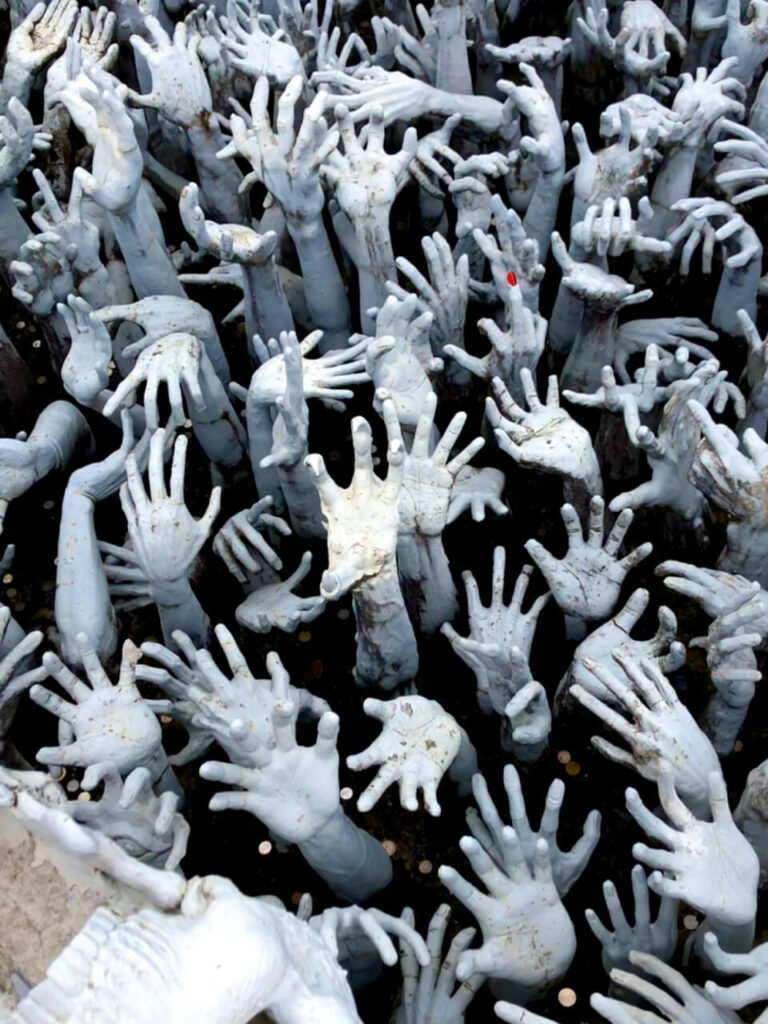
To enter, you walk across a bridge spanning hundreds of hands reaching up from below — a powerful symbol of greed, suffering, and temptation that prevents people from reaching enlightenment.
Murals Featuring Terminator and Spider-Man
Inside, don’t expect traditional Buddhist murals. Instead, you’ll find scenes from modern life — including Hollywood characters, crumbling skyscrapers, and portraits of world leaders. The artist uses these images as metaphors to show how technology and war are destroying humanity.
Golden Toilet
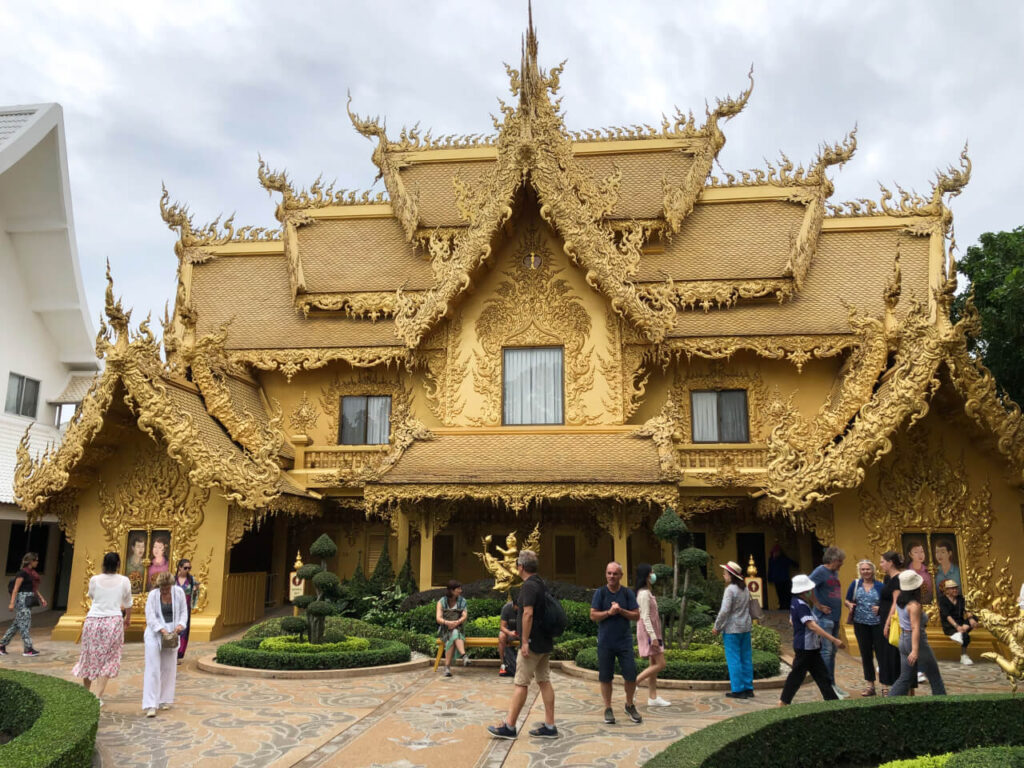
One of the most surprising features is a lavish golden building — which turns out to be… the restroom. The contrast with the white temple symbolizes the divide between spiritual values and material desires. It’s a reminder that people often chase wealth and comfort, forgetting about the soul.
Blue Temple (Wat Rong Suea Ten)

📍 Location: Google Maps
💸 Entry Fee: Free
🕗 Opening Hours: 07:00–20:00
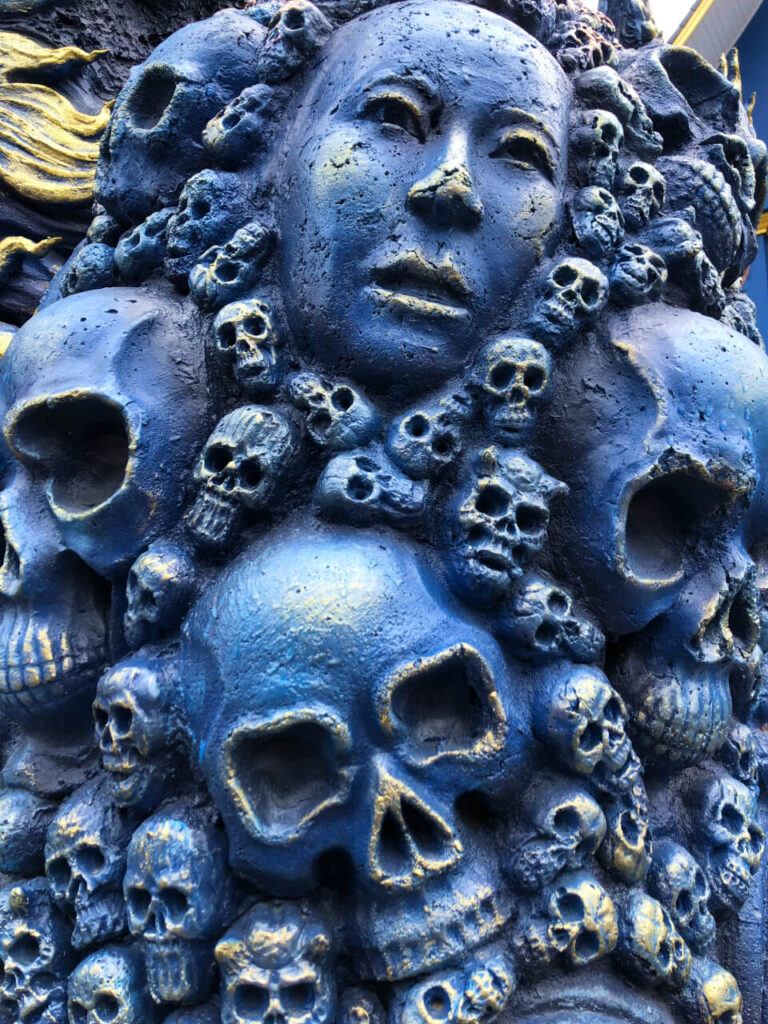
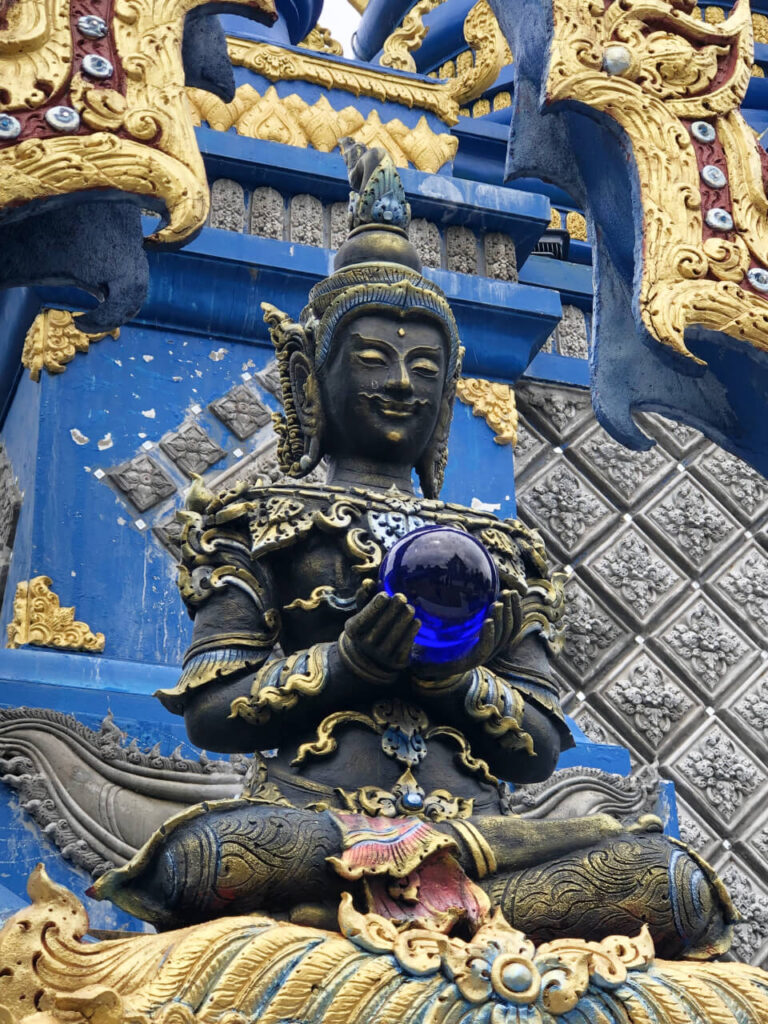
The Blue Temple(Wat Rong Suea Ten) is one of the most stunning and unique temples in the city. While it’s not as famous as the White Temple, it definitely deserves your attention. Construction began in 2005 and was fully completed in 2016 — so it’s a relatively new addition to Chiang Rai’s temple scene.
💡 Why blue?
Most Thai temples are golden, but this one stands out with its vibrant blue and gold detailing. Blue represents wisdom, purity, and detachment from the material world.
🔹 Highlights:
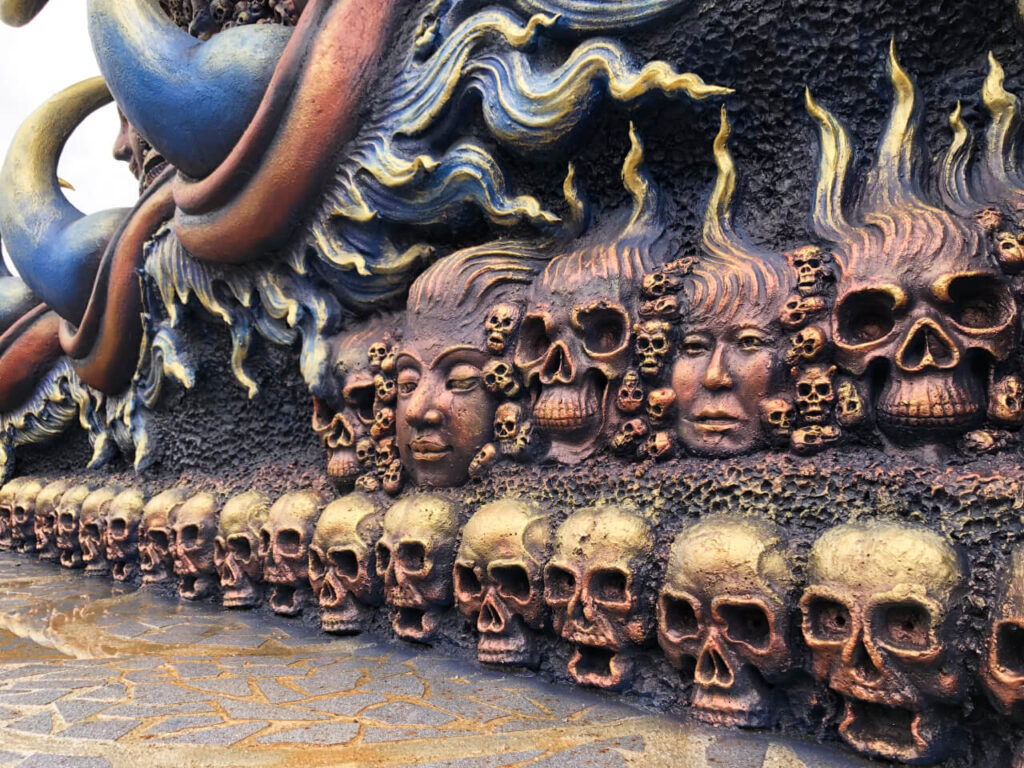
Temple of the Dancing Tiger
The name “Wat Rong Suea Ten” translates to “Temple of the Dancing Tiger.” Legend says that a different temple once stood here, but after it was abandoned, tigers roamed freely among its ruins.
Entrance Guarded by Serpent Nagas
The stairway to the main hall is flanked by massive naga serpents, their scales glinting in the sun and their curves almost appearing to dance. It’s a dramatic and memorable entrance.
Blue Interior with White Buddha
Inside, the temple feels almost cosmic. The walls and ceiling are covered in intricate blue patterns, and a large snow-white Buddha statue sits at the center. Under the cool blue lighting, it looks almost translucent — a depiction of the moment of enlightenment.
Exit Through a Demon’s Mouth
As you leave, you pass through painted “gates of hell” — a sharp contrast to the serene atmosphere inside.
Blue Ice Cream
After your visit, don’t miss the quirky blue ice cream sold right next to the temple — a fun way to wrap up your experience.
Wat Huay Pla Kang (White Buddha)
📍 Location: Google Maps
💸 Entry Fee: 40 THB
🕗 Opening Hours: 07:00–21:00
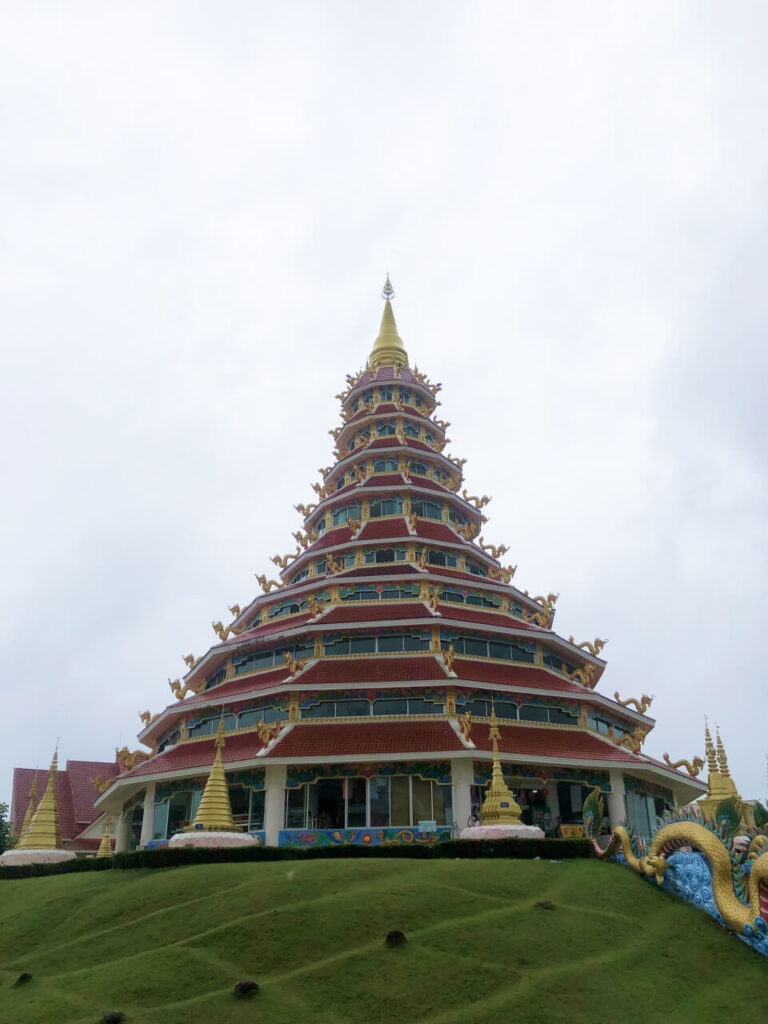
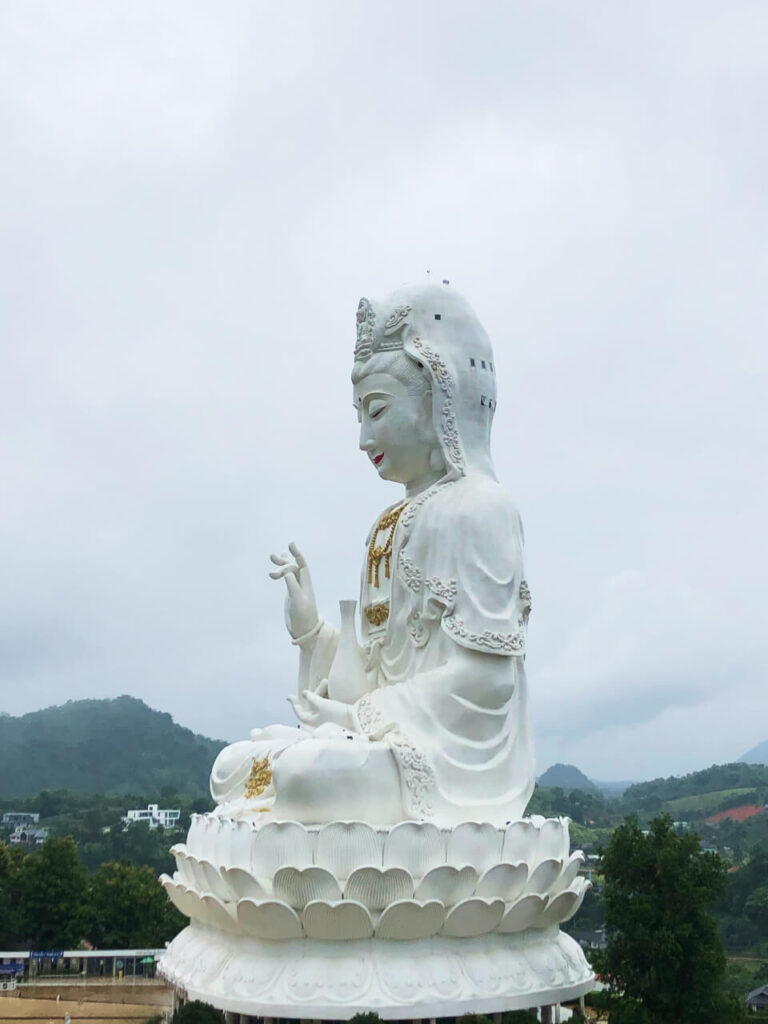
Wat Huay Pla Kang is impossible to miss — perched on a hilltop, its massive white statue of Guan Yin is visible from kilometers away. Many visitors mistake it for Buddha, but it’s actually the Buddhist goddess of mercy and compassion.
💡 What makes it special?
Unlike most traditional Thai temples, Wat Huay Pla Kang blends in strong elements of Chinese architecture. Instead of nagas, golden Chinese dragons line the stairway, and the pagoda resembles a pyramid — a rare sight among Chiang Rai temples.
🔹 Highlights:
Giant Guan Yin Statue (aka White Buddha Chiang Rai)
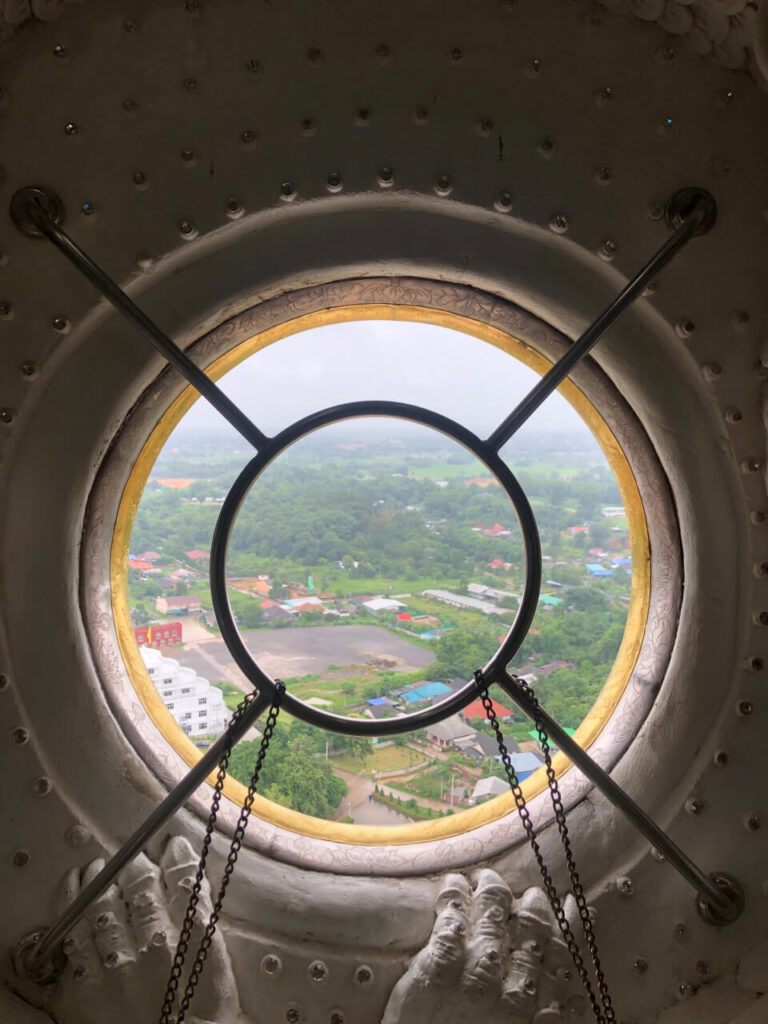
Standing 90 meters tall (about 25 stories), the statue houses an elevator (40 THB) that takes you up to the goddess’s eyes. From there, you get a panoramic view of the surrounding mountains and rice fields.
Nine-Story Pagoda
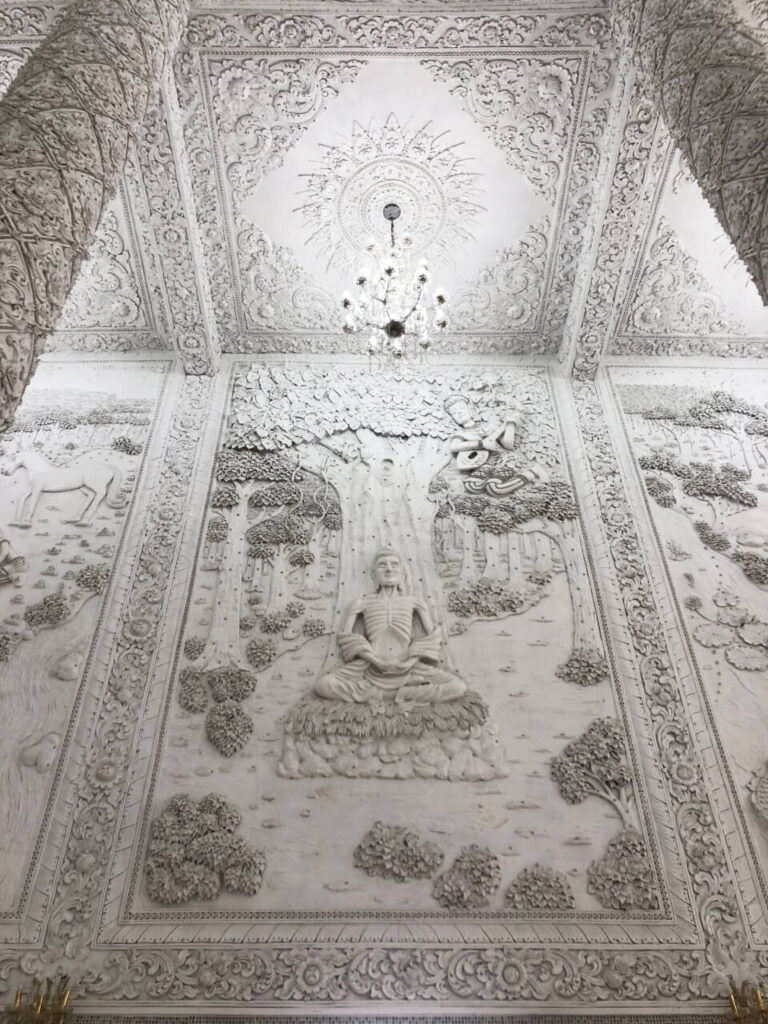
Next to the statue is a 49-meter pagoda filled with wooden statues of Buddha and Chinese deities. You can climb the stairs to the top, though most of the signs are only in Thai.
Peaceful and Spiritual Atmosphere
Unlike the busier White and Blue Temples, Wat Huay Pla Kang is usually quieter, making it ideal for prayer, meditation, or simply soaking in the serene surroundings.
Perfect Sunset Spot
The hilltop location offers one of the best sunset views in Chiang Rai. Arrive in the late afternoon to witness breathtaking colors over the northern Thai landscape.
Wat Mung Muang

📍 Location: Google Maps
💸 Entry Fee: Free
🕗 Opening Hours: 08:00–17:00
Wat Mung Muang is an old but little-known temple tucked away in the heart of Chiang Rai. While the White Temple and Blue Temple are bold and modern, this place offers a completely different vibe — peaceful, wooden, and timeless. It feels like stepping back into another century.
💡 How old is it?
The exact construction date is unknown, but it’s believed the temple was founded around the 16th century. Its oldest structure is a Lanna-style stupa, estimated to be 400–500 years old.
🔹 Highlights:
Wooden Prayer Hall
This is the temple’s standout feature. Unlike most Thai temples made of concrete, this one is crafted almost entirely from carved wood — walls, columns, even the ceiling. The intricate patterns are breathtaking, and inside you’ll find beautiful Buddha statues and murals depicting King Mengrai, the founder of Chiang Rai.
The Temple of Elephants
Wat Mung Muang was once known as the “Temple of the Crouching Elephant” due to its unique architectural details. Instead of the usual naga serpents, you’ll see elephants featured throughout the grounds — especially at the entrance.
Peace and Quiet
Tired of crowded tourist spots? This temple offers a serene, crowd-free experience. You can take your time exploring the details, and even climb up to the rooftop via a hidden staircase near the entrance.
Wat Saeng Kaew Photiyan

📍 Location: Google Maps
💸 Entry Fee: Free (Sky Walk: 40 THB)
🕗 Opening Hours: 07:00–18:00
Wat Saeng Kaew Photiyan is more than just a temple — it’s an entire fantasy-like complex filled with color, art, and spirituality. Located about 60 km from Chiang Rai, it’s off the main tourist path but beloved by locals.
💡 What makes it unique?
Built in 2006 to honor Kruba Srivichai, a revered monk known for restoring temples across Northern Thailand, the temple features a vibrant mix of Buddhist, Hindu, and animist influences — plus a botanical garden and a mystical cave with glowing murals.

🔹 Highlights:
Thousands of Statues
The temple grounds are filled with an astonishing number of sculptures — from Hindu gods and mythological creatures to quirky scenes where demons smoke or carry smartphones in their pockets.
50-Meter Statue of the Future Buddha
A colossal statue of Maitreya, the Buddha of the future, is under construction here. Surrounding it is a Sky Walk — a glass bridge offering panoramic views of the mountains and temple complex. Entrance to the Sky Walk is 40 THB.
Cave with “Magical” Murals
Hidden beneath one of the statues is a dark chamber with fluorescent paintings that light up under blacklight. As the lights shift, hidden images begin to reveal themselves on the walls — a surreal experience.
Peaceful Place to Wander
With its spacious grounds, soft traditional music playing, and a lack of tourist crowds, Wat Saeng Kaew Photiyan is a perfect spot for quiet exploration and reflection.
Wat Phra Kaew


📍 Location: Google Maps
💸 Entry Fee: Free
🕗 Opening Hours: 07:00–18:00
Wat Phra Kaew gained fame in 1434 when lightning struck its stupa, revealing a hidden statue beneath the plaster. That statue turned out to be carved from green jade — the original Emerald Buddha, now housed in Bangkok’s Grand Palace.
Today, the temple displays a replica of the Emerald Buddha, crafted from Canadian jade. Next to the main hall is a small museum showcasing artifacts from the Lanna period.
Unlike more touristy spots, Wat Phra Kaew offers a serene atmosphere with shady gardens, traditional architecture, and the chance to witness quiet monastic ceremonies. It’s an ideal place to relax and soak in the spiritual side of Chiang Rai.
Wat Tham Phra — The Cave Temple
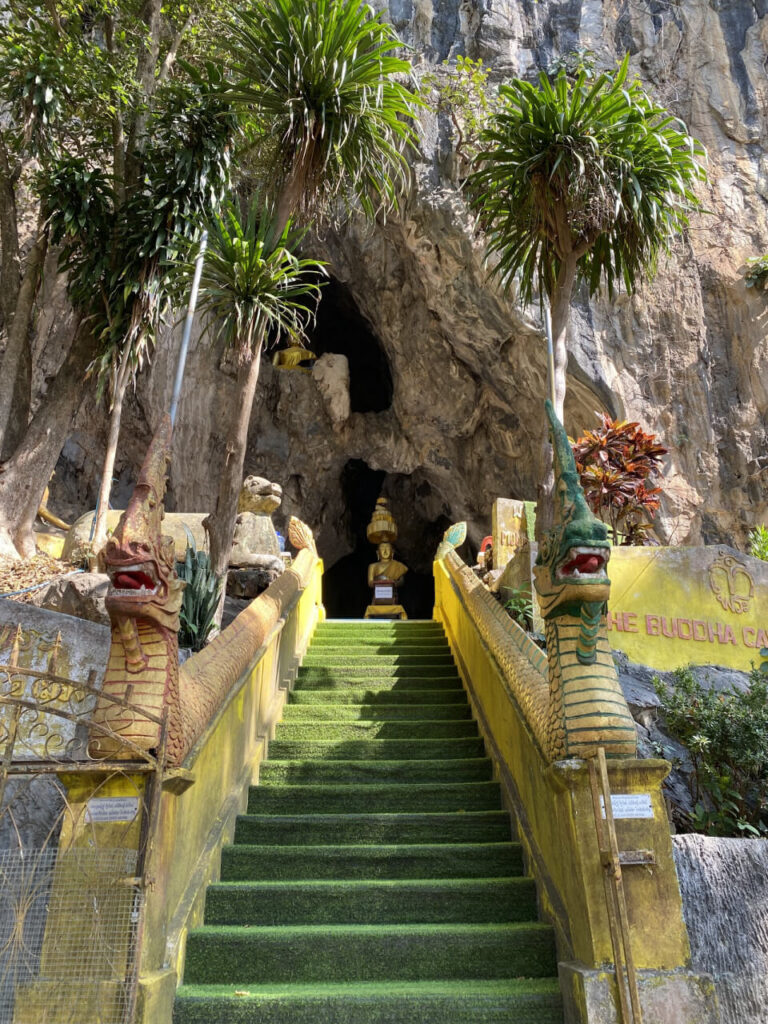
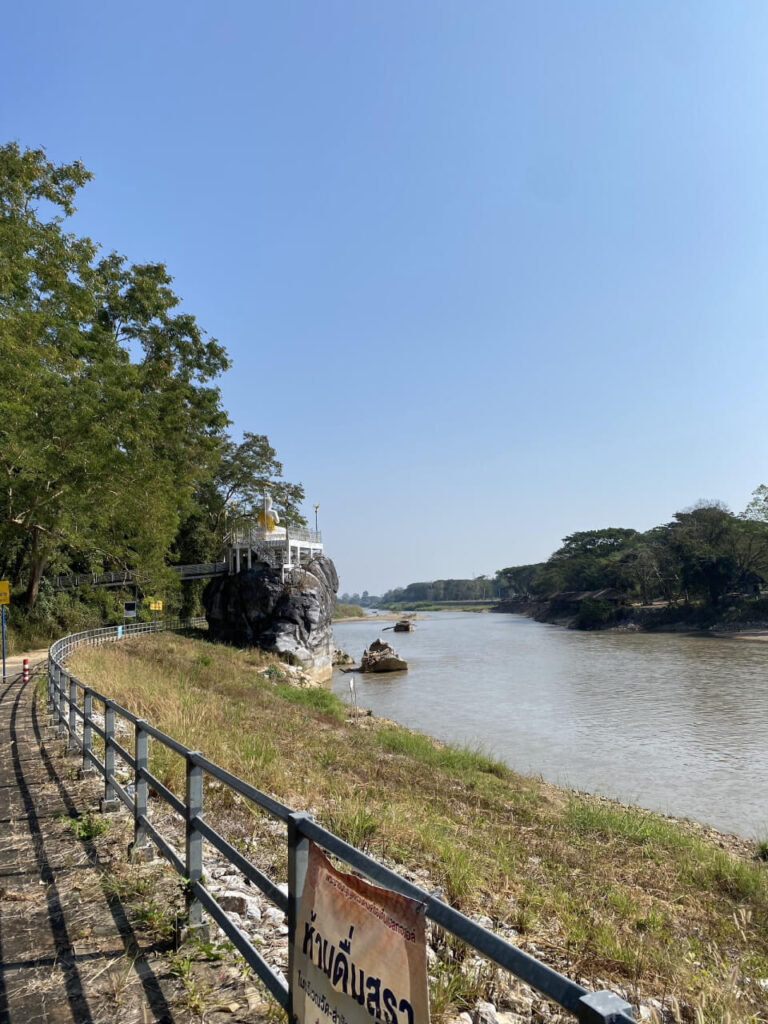
📍 Location: Google Maps
💸 Entry Fee: Free
🕗 Opening Hours: 06:00–18:30
Wat Tham Phra is a peaceful, off-the-radar temple hidden inside a cave near the Kok River. Inside the cave, you’ll find serene Buddha statues surrounded by natural stalactites and stalagmites. The temple’s quiet, cool interior and total lack of crowds make it a perfect place to reflect or meditate.
Outside, a large Buddha statue sits on a platform overlooking the Kok River, and a small riverside path leads to another secluded cave. This spot feels worlds away from the more famous Chiang Rai temples and offers a glimpse into the region’s deeper spiritual roots.
💡 Travel Tip: It’s best to visit Wat Tham Phra by motorbike, as getting return transportation from the area can be tricky.
Wat Jed Yod — The Temple of Seven Spires
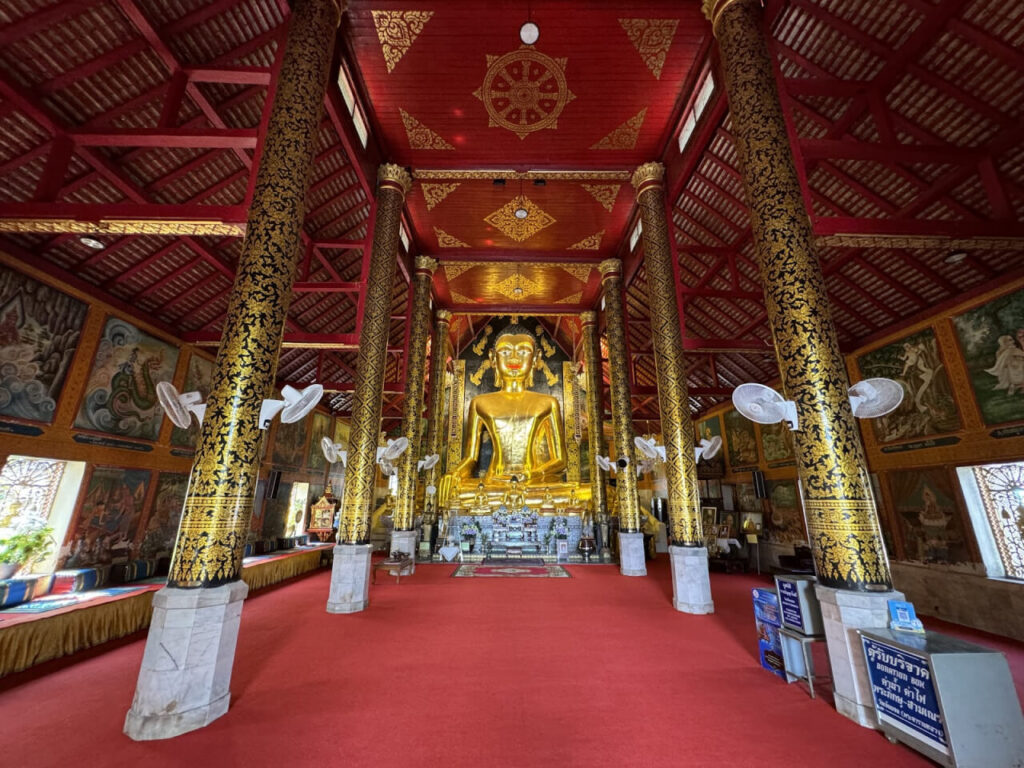
📍 Location: Google Maps
💸 Entry Fee: Free
🕗 Opening Hours: 06:00–18:00
Wat Jed Yod is a quiet, lesser-known temple located right in the center of Chiang Rai. Its name means “Seven Peaks,” referring to the temple’s standout feature — a striking white stupa topped with seven golden spires.
Inside, you’ll find a large golden Buddha statue and beautifully painted murals lining the temple walls. Though it remains peaceful most days, the temple comes to life during Buddhist holidays, when locals gather for ceremonies.
It’s a great place to escape the crowds without leaving the city — and it’s just a five-minute walk from the Chiang Rai bus terminal, making it an easy stop if you’re exploring on foot.
Wat Phra Singh
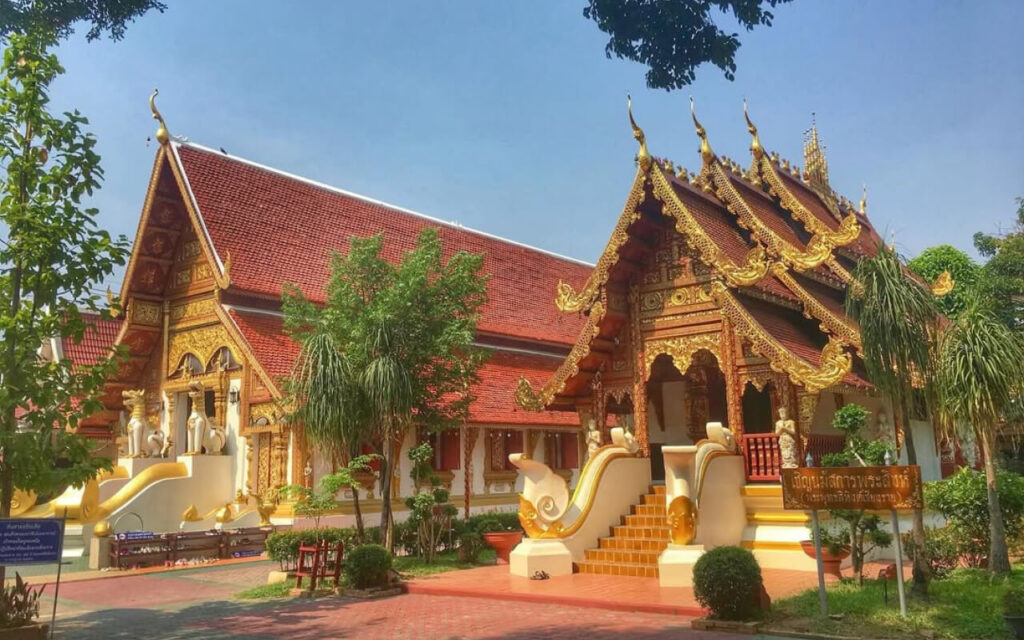
📍 Location: Google Maps
💸 Entry Fee: Free
🕗 Opening Hours: 07:00–18:30
Wat Phra Singh is a quiet, uncrowded temple nestled in the heart of Chiang Rai. Its centerpiece is a gleaming golden stupa surrounded by halls adorned with richly carved wooden panels.
The temple is tied to the legend of the Phra Singh Buddha statue, which was once kept here before being moved to Chiang Mai. Today, you can see a smaller replica of the statue within the complex, alongside beautifully painted murals that illustrate the history of Buddhism.
Wat Doi Ngam Mueang


📍 Location: Google Maps
💸 Entry Fee: Free
🕗 Opening Hours: 07:00–18:00
Wat Doi Ngam Mueang holds great historical significance — it’s the resting place of King Mengrai, the founder of Chiang Rai and the ancient Lanna Kingdom. Located atop a peaceful hill, the temple is reached via a long stairway, but the panoramic views and quiet atmosphere at the top are well worth the climb.
Key features include a 14th-century stupa, a statue honoring King Mengrai, and intricately carved wooden doors that showcase the temple’s cultural depth.
Wat Doi Insi
📍 Location: Google Maps
💸 Entry Fee: Free
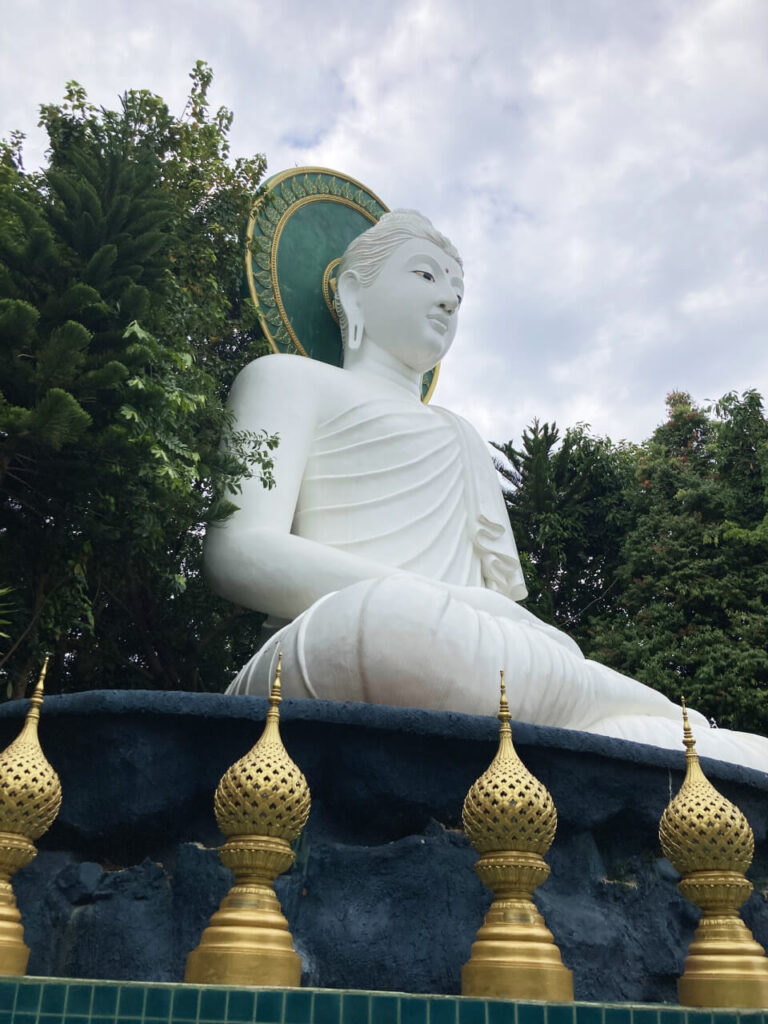
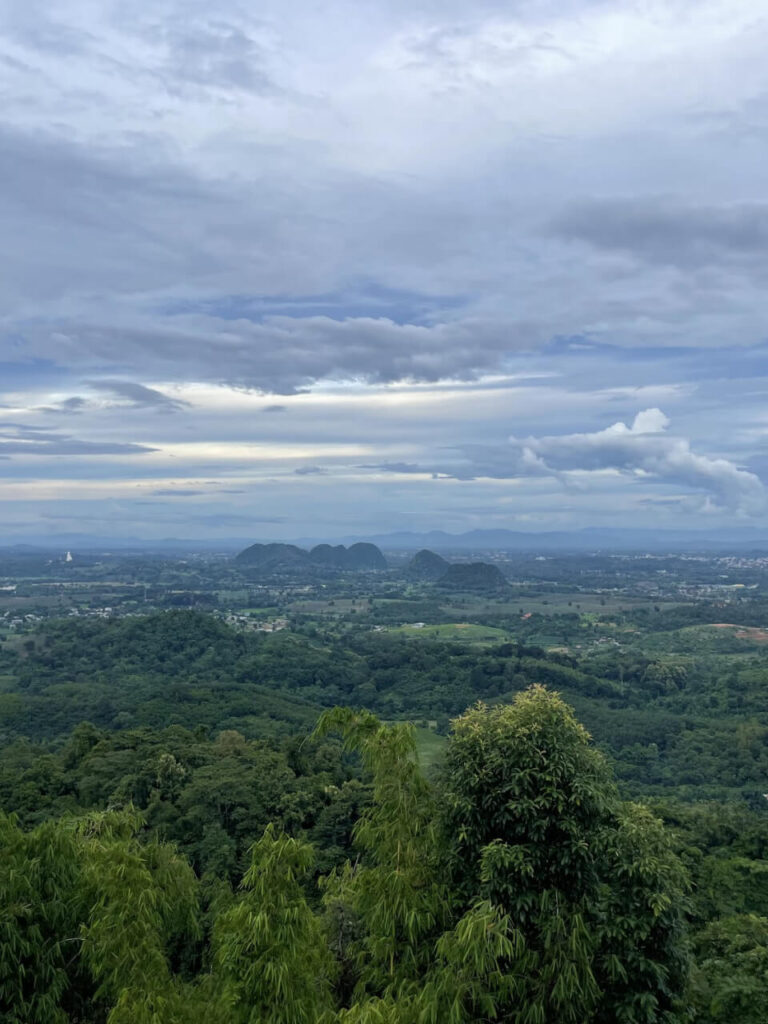
Wat Doi Insi is a secluded temple perched on a hilltop, accessible via a steep and challenging road. The climb is absolutely worth it for the breathtaking panoramic views of Chiang Rai and the surrounding countryside.
Its main highlight is a large white Buddha statue that towers above the city — peaceful, majestic, and rarely crowded. The only sounds here are the breeze, birdsong, and the occasional peacock wandering through the temple grounds.
